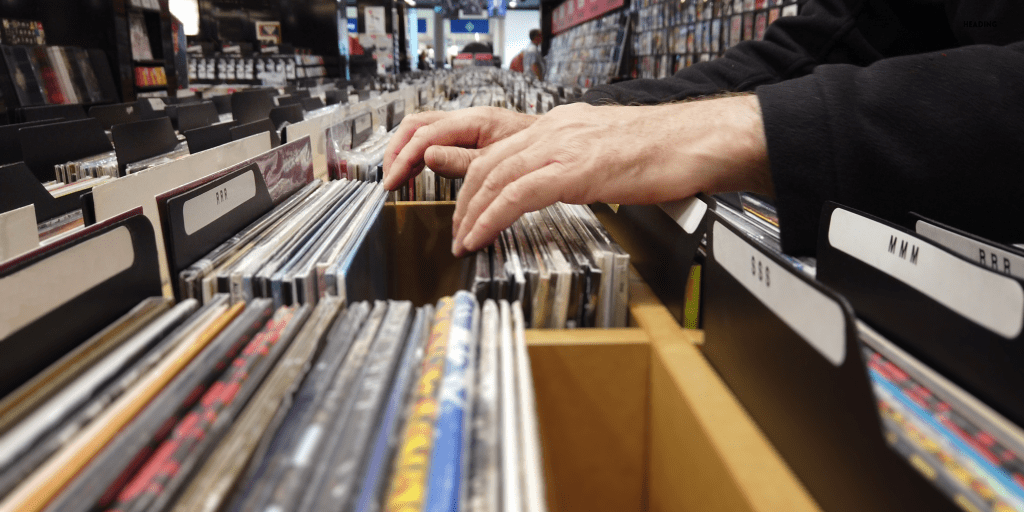
Record Store Day: From vinyl revival to hype machine
Record Store Day (RSD). For some, it’s a genuine celebration of vinyl culture, a chance to support independent record stores and maybe walk away with something special. For others, it’s an exhausting exercise in hype, scarcity, and questionable purchasing decisions made before sunrise.
So what is Record Store Day in 2025? A fan‑friendly celebration of independent music retail, or a victim of its own commercial success?
How record store day started, and why it originally worked.
When Record Store Day launched in 2008, it was a genuinely smart idea. Vinyl was only just clawing its way back from near extinction, independent record stores were disappearing, and streaming hadn’t yet turned music into background noise. RSD offered a simple proposition: get people back into record stores.
Early RSD events felt local and human. There were in‑store performances, giveaways, a handful of genuinely interesting exclusive releases, and a sense that you were participating in something community driven rather than transactional. The goal wasn’t to empty wallets, it was to get people through the door.
And it worked. Record Store Day played a meaningful role in reviving interest in vinyl collecting and reminding people that record stores were worth visiting, not just nostalgically remembered.
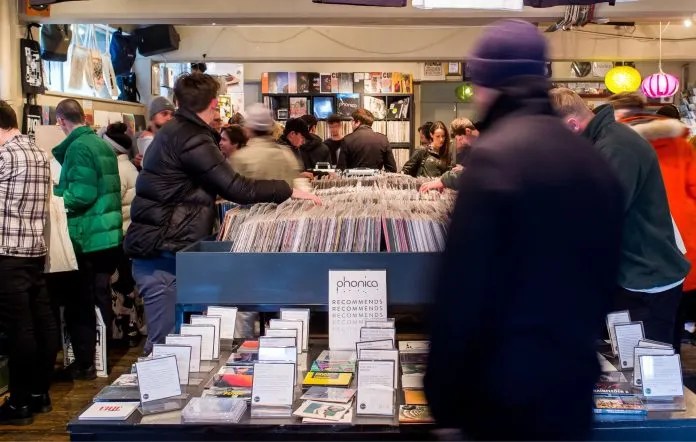
From Community Celebration to Competitive Endurance Test
Fast forward to today, and the atmosphere has shifted.
Instead of a relaxed celebration, RSD now resembles a competitive endurance sport. Overnight camping, rigid queue systems, and the uncomfortable knowledge that arriving five minutes later than the person in front of you could mean missing out entirely.

The release lists have ballooned. What was once a curated selection of meaningful exclusives is now an avalanche of product, much of it padded with coloured variants, alternate sleeves, or “collector” booklets designed to justify premium pricing rather than add genuine value.
It’s less Record Store Day and more Record Store Hunger Games!
Artificial scarcity, real problems for vinyl collectors
Exclusivity was always part of RSD’s appeal. But somewhere along the way, limited editions stopped being special and started being strategic.
Artificial scarcity has become a feature, not a side effect. Highly sought‑after releases routinely appear online within hours, marked up dramatically. Flipping has gone from an occasional annoyance to an expected outcome.
When a freshly pressed record can fetch hundreds of dollars before the shrink wrap has cooled, it stops feeling like a celebration of music and starts feeling like a financial instrument.
This culture doesn’t just frustrate collectors, it risks cheapening vinyl itself, turning records into speculative assets rather than objects meant to be played, lived with, and loved.
When “limited edition vinyl” stops meaning anything
Part of the cynicism surrounding modern RSD comes from what is being released.
Alongside genuinely worthwhile pressings are albums that, under normal circumstances, would never warrant a deluxe reissue. Mediocre releases are suddenly reborn as must have collectibles thanks to a splash of coloured vinyl and a hype driven marketing push.
Limited doesn’t always mean important. And collectable doesn’t automatically mean desirable.
At times, RSD feels less like a celebration of musical heritage and more like an opportunity for record executives to monetise nostalgia, regardless of whether the music itself justifies the treatment.
Vinyl flipping culture vs. genuine collectors
Perhaps the most corrosive side effect of modern RSD is the flipping culture it has helped create.
Scarcity plus hype equals opportunism. Records intended for fans are scooped up by resellers whose interest ends at the checkout counter. The result is predictable: inflated secondary market prices and genuine collectors left empty‑handed.
It’s hard to build a welcoming, sustainable collecting culture when access is determined by who can queue the longest or pay the most.
Why Record Store Day still watters to independent record stores
Despite all of this, it would be unfair, and inaccurate, to write Record Store Day off entirely.
For many independent record stores, RSD remains financially vital. The foot traffic, visibility, and sales generated by the event can make a significant difference in an increasingly difficult retail environment.
The broader vinyl boom, including the growth of record stores, turntable repair businesses, and physical music communities, owes something to RSD’s visibility. Without it, many shops simply wouldn’t exist.
That contradiction sits at the heart of Record Store Day: deeply flawed, yet still fundamentally important.
How to enjoy Record Store Day without buying the hype
Some collectors have adapted by lowering expectations. Treating RSD less like a mission and more like an excuse to visit a favourite store, dig through the regular bins, and enjoy the atmosphere, if the atmosphere allows it.

Because when you strip away the hype, the queues, and the resale listings, the core appeal of record collecting hasn’t changed. It’s still about discovery, connection, and the tactile joy of physical music.
Has Record Store Day lost its way, or just grown too big?
Maybe. Or maybe it’s simply a reflection of modern vinyl culture itself, bigger, louder, more commercial, and more conflicted.
Record Store Day doesn’t need to disappear, but it might benefit from remembering why it existed in the first place. Less artificial scarcity. Fewer novelty reissues. More emphasis on music, community, and independent retail rather than manufactured urgency.
Until then, participation is optional. You can opt out of the frenzy without opting out of vinyl.
Because at the end of the day, records are meant to be played, not flipped, hoarded, or fought over in a car park at dawn.
And maybe that’s the most radical idea of all.
What are your thoughts on RSD? Did you make it out this year? I’d love to hear your experiences and if you think it has changed for better or worse.
Leave a comment in the section below and don’t forget to follow!





 Rhythm Exchange Records
Leave a comment