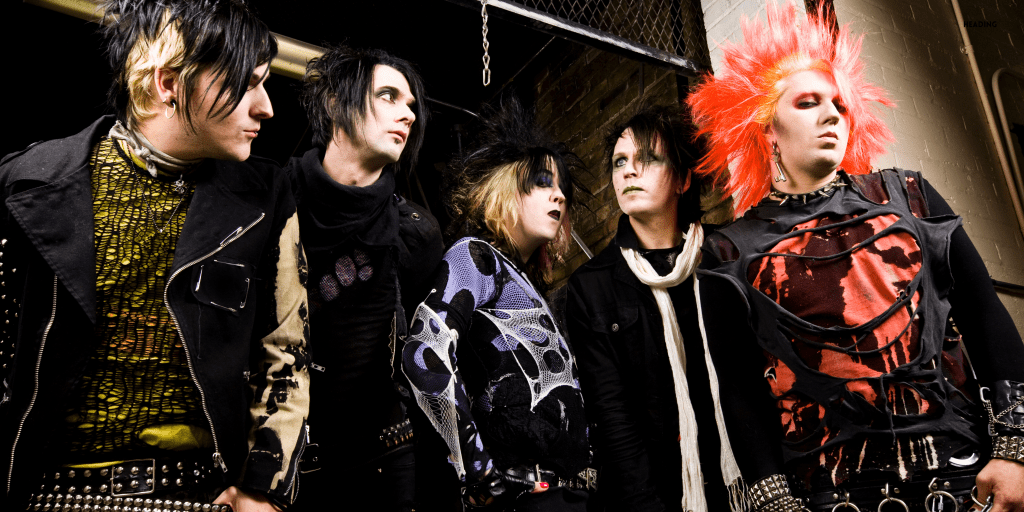
At the dawn of the post-punk era, I was just a kid in short pants, sitting cross-legged in front of the TV on Sunday nights, religiously watching Countdown, Australia’s answer to Top of the Pops.
This was the golden age of the music video, and while the show served up a mix of glam-pop acts like ABBA and The Bay City Rollers, it was the strange, haunting visuals from bands like The Cure and Siouxsie and the Banshees that truly captivated me. Something about the mood, the tone, the weirdness struck a chord in my young mind, and that fascination never left.
Post-punk wasn’t just music it was a mood. A shift. A sonic rebellion with a dark twist. And all these years later, those sounds still bring a wave of nostalgia and spark a deep admiration for the creativity of the era.
The Rise of Post-Punk
As punk’s initial wave lost its raw edge, something new began to stir. Bands emerged from the rubble, carrying punk’s DIY spirit but pushing boundaries far beyond three-chord fury. They experimented with space, rhythm, and texture. Post-punk was born—edgier, artier, moodier. Groups like Public Image Ltd, Joy Division, Gang of Four, The Slits, and Wire weren’t afraid to break the mold.
Fast forward to today, and the post-punk spirit lives on in bands like Dry Cleaning, Goat, Squid, and Sleaford Mods proof that the genre’s DNA still pulses through underground scenes around the world.
Why These 10 Albums?
As a lifelong fan of post punk, both the classics and the modern offshoots, it was no easy feat narrowing this list to just 10 essential albums. There are countless releases worthy of your turntable, and this list is by no means definitive. But if you’re looking to build or deepen your post-punk vinyl collection, these albums are absolutely foundational.
Disagree with one? Got a personal favorite I missed? Let me know in the comments, I’d love to hear from you.
Album Format
Each album below is broken down into:
- Quick Overview: Release info and significance
- Sound + Style: What it sounds like and why it’s unique
- Legacy: Influence and historical standing
- Vinyl Tip: Collector insights and reissue notes
The 10 Essential Post-Punk Albums
1. Metal Box – Public Image Ltd (1979)
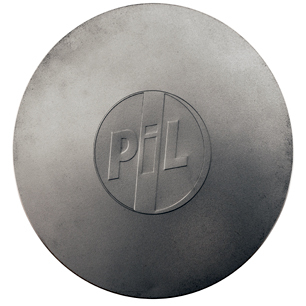
- Quick Overview: PiL’s sophomore effort, released in a literal metal canister by Virgin Records. Later reissued as Second Edition.
- Sound + Style: Dub-heavy basslines from Jah Wobble, eerie guitar textures from Keith Levene, and John Lydon’s unmistakable vocal sneer. Avant-garde, confrontational, and atmospheric.
- Legacy: Universally acclaimed. NME’s #2 album of 1979. Included in Rolling Stone’s 500 Greatest Albums and 1001 Albums You Must Hear Before You Die.
- Vinyl Tip: An original metal canister pressing is a holy grail. But the standard reissue still earns its place on any shelf.
2. Unknown Pleasures – Joy Division (1979)
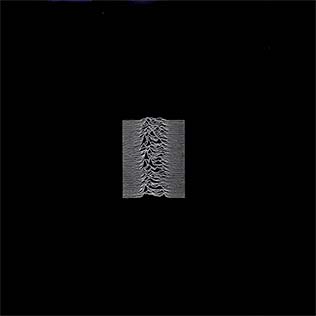
- Quick Overview: Debut album released on Factory Records. Produced by Martin Hannett, whose spacious, spectral style defined the band’s sound.
- Sound + Style: Haunting and hypnotic. Peter Hook’s melodic bass, Ian Curtis’s baritone intensity, and icy synth/guitar textures.
- Legacy: A genre-defining work. Constantly cited in “greatest albums” lists. A pillar of post-punk and early gothic rock.
- Vinyl Tip: Look for early Factory pressings with the iconic Peter Saville pulsar cover—often imitated, never duplicated.
- Get it here – Unknown Pleasures – Joy Division
3. The Scream – Siouxsie and the Banshees (1978)
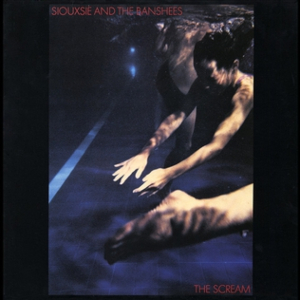
- Quick Overview: Debut release on Polydor, recorded swiftly with Steve Lillywhite. Siouxsie Sioux’s vocals are already commanding and iconic.
- Sound + Style: Angular, stark, and theatrical. The first glimpse of the Banshees’ pioneering gothic sensibility.
- Legacy: Groundbreaking and influential, both musically and visually. A blueprint for dark wave, goth, and beyond.
- Vinyl Tip: Original UK pressings are prized. Reissues are widely available and still sound fantastic.
- Get it Here – Scream Siouxsie and the Banshees
4. Entertainment! – Gang of Four (1979)
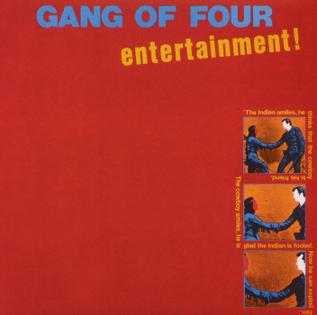
- Quick Overview: Politically charged debut that combined punk urgency with funk grooves and dub influences.
- Sound + Style: Sharp guitar stabs, relentless rhythms, and Marxist lyrics. Think danceable chaos.
- Legacy: Ranked #273 on Rolling Stone’s 500 Greatest Albums. Hugely influential on post-punk, dance-punk, and indie.
- Vinyl Tip: First pressings hold up well sonically. Reissues often include bonus tracks.
- Get it here – Entertainment – Gang of Four
5. 154 – Wire (1979)
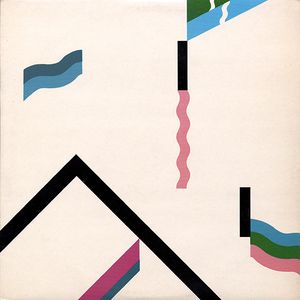
- Quick Overview: Wire’s third studio album and their most ambitious to date. Named after the number of gigs they’d played by that point.
- Sound + Style: Experimental and atmospheric, fusing punk structures with synthesizers and electronic effects.
- Legacy: A cult classic. Seen as a precursor to alternative rock, art rock, and industrial.
- Vinyl Tip: UK Harvest originals are gems. Watch out for reissues bundled with Chairs Missing.
6. Dub Housing – Pere Ubu (1978)
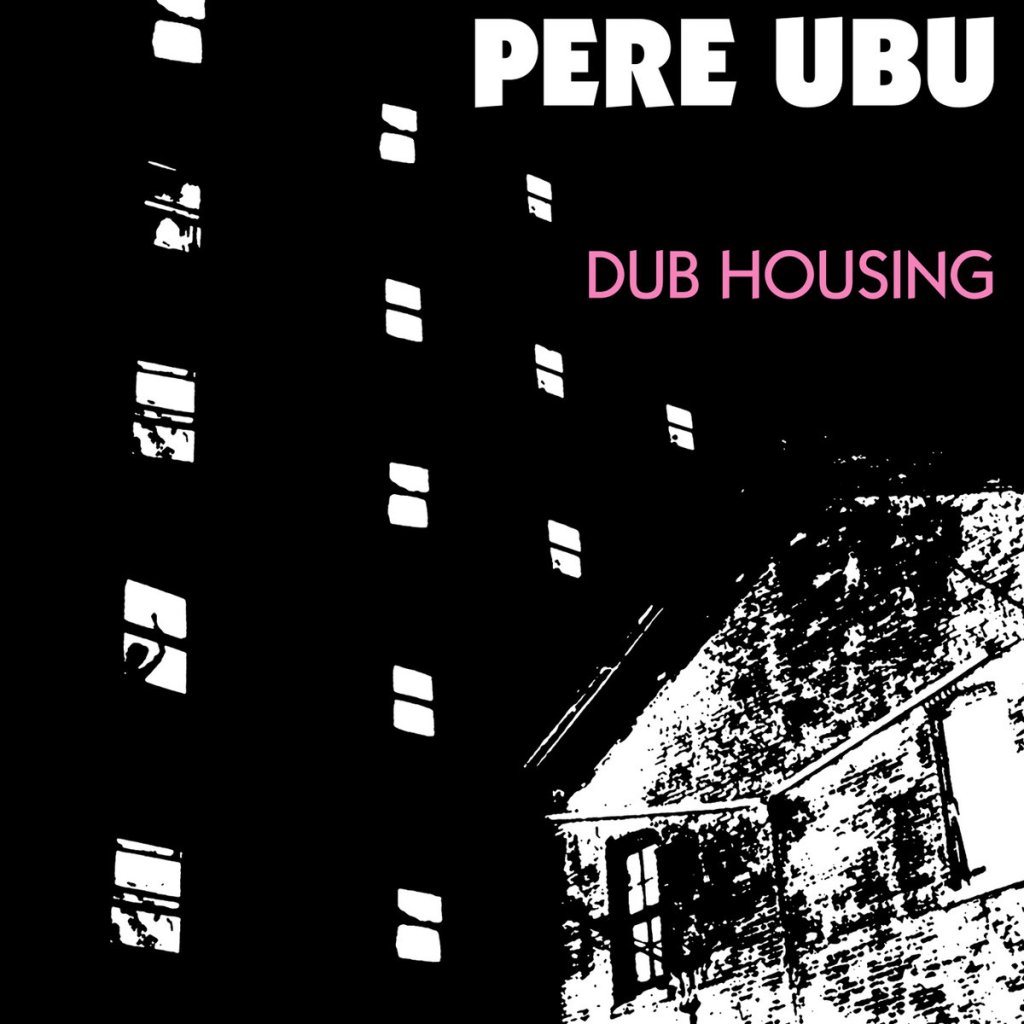
- Quick Overview: Cleveland’s weirdest export. Their second album, packed with sonic chaos and dadaist poetry.
- Sound + Style: Off-kilter rhythms, lo-fi electronics, surreal lyrics. David Thomas’s wailing vocals are unforgettable.
- Legacy: Praised by NME, The Village Voice, and The New York Times. An American post-punk essential.
- Vinyl Tip: Look for original Chrysalis pressings or Fire Records reissues.
- Get it here – Dub Housing – Pere Ubu
7. Songs to Learn and Sing – Echo & the Bunnymen (1985)
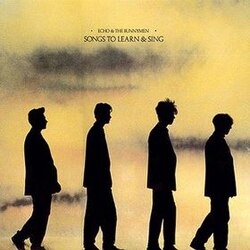
- Quick Overview: A compilation of the band’s singles up to ’85. More than a greatest hits—it’s a sonic statement.
- Sound + Style: Lush, moody guitar pop with post-punk backbone. Melodic and melancholic.
- Legacy: Peaked at #6 in the UK. A defining sound of early-’80s alternative.
- Vinyl Tip: Early Korova pressings are solid. A great intro for new fans or a completist’s dream.
- Get it here – Songs to learn and sing – Echo and the Bunnymen
8. Seventeen Seconds – The Cure (1980)
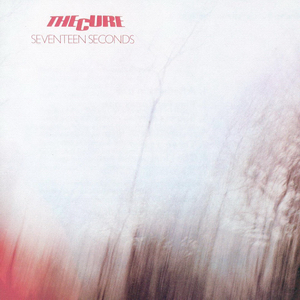
- Quick Overview: The album that introduced Simon Gallup on bass and helped steer The Cure toward gothic terrain.
- Sound + Style: Sparse, atmospheric, shadowy. Features “A Forest,” one of their most iconic tracks.
- Legacy: Considered one of the first gothic rock albums. Helped define the “cold” sound of the early ’80s.
- Vinyl Tip: Fiction Records originals are a joy. The 2005 deluxe edition offers great bonus content.
- Get it here – The Cure – Seventeen Seconds
9. Rattus Norvegicus – The Stranglers (1977)
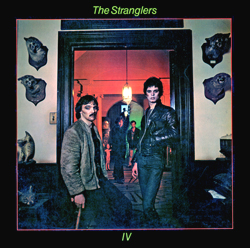
- Quick Overview: Technically pre-post-punk, but its influence and sonic edge earn it a spot. Raw and keyboard-driven.
- Sound + Style: Aggressive and quirky with gritty basslines and menacing keyboards. Features “Peaches” and “Grip.”
- Legacy: Platinum-selling and hugely influential. A bridge between punk and new wave.
- Vinyl Tip: Early UK pressings with bonus 7” are collectible gold.
10. Black Sea – XTC (1980)
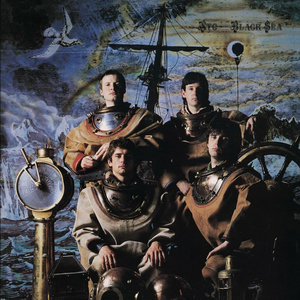
- Quick Overview: Fourth album from Swindon’s finest. A mix of post-punk, power pop, and social commentary.
- Sound + Style: Bright guitars, tight rhythms, and sharp lyrics. Produced by Steve Lillywhite.
- Legacy: Critically acclaimed and their most successful U.S. album. XTC remain criminally underrated.
- Vinyl Tip: Original Virgin pressings sound brilliant. Reissues offer restored audio and great liner notes. Get it here – XTC – Black Sea
Post-Punk in the ’80s: A Cultural Shift
These albums capture a moment in time when rock music split wide open. Punk may have set the fire, but post-punk kept it burning—embracing dub, tape experimentation, freeform structure, and the birth of goth, new wave, and synthpop.
Independent labels like Factory, Rough Trade, and 4AD gave these sonic explorers room to grow. Visionary producers like Martin Hannett and Steve Lillywhite shaped soundscapes that still echo today. In the U.S., bands like Pere Ubu and Talking Heads pushed just as hard, bridging punk and art rock with cerebral flair.
Final Thoughts
Which of these do you already own? Which are you hunting down next? Let us know in the comments





 Rhythm Exchange Records
Leave a comment