As a lifelong vinyl collector and the voice behind Rhythm Exchange Records, I’ve learned that there’s a cruel irony in our world: one of the most successful albums in music history is also one of the most frustrating to buy. Pink Floyd’s “The Dark Side of the Moon” has sold over 50 million copies worldwide, spent an unprecedented 736 weeks on the Billboard 200, and continues to captivate new generations of listeners. Yet for vinyl collectors like myself, this ubiquity creates a perfect storm of confusion, mispricing, and missed opportunities.
Walk into any record store, and you’ll likely find multiple copies of DSOTM staring back at you from the racks. But which one should you buy? That seemingly simple question opens a rabbit hole of pressing variations, remaster generations, and market misconceptions that can turn a quick purchase into an hours-long research project. Trust me—I’ve been down this rabbit hole more times than I care to admit. The album’s very success has become its curse in the collector’s market, and as someone who considers DSOTM one of the greatest albums ever recorded, I’ve made it my mission to understand its complexities.

The Repress Maze: Five Decades of Variations
The Original Era (1973-1979)
Understanding DSOTM’s pressing history requires going back to March 1973, when the album first hit the shelves. The original UK pressing on Harvest Records features the classic solid blue labels and comes in a gatefold sleeve with the iconic prism artwork. These early pressings were cut from the original master tapes and pressed at EMI’s Hayes facility, identifiable by the “SHVL 804” catalog number and specific matrix inscriptions.
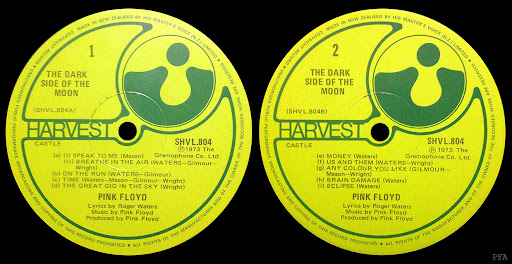
But here’s where it gets complicated: there wasn’t just one “original” pressing. The initial UK run was followed quickly by pressings in other countries, each with their own sonic characteristics. The early US pressings on Harvest (distributed by Capitol) used different mastering and pressing plants, creating subtle but noticeable differences in sound quality. Some collectors swear by the Specialty Records Corporation (SRC) pressings, while others prefer the Capitol Records pressing plant versions.
These early variations matter because they were cut from first or second-generation masters, before the inevitable degradation that comes with repeated tape copying for later reissues. I learned this lesson the hard way after spending years thinking my 1980s Capitol reissue was “good enough” until I finally heard an original UK pressing at a fellow collector’s house. The difference was revelatory—suddenly, the subtle details in “Us and Them” that I’d read about in reviews became audible, and I understood why collectors obsess over these distinctions.
The Reissue Explosion (1980s-1990s)
The 1980s brought a flood of reissues as record companies sought to capitalize on the compact disc boom while still serving the vinyl market. This era introduced budget pressings, often identifiable by thinner vinyl and simplified packaging. The UK saw releases on the Fame label, while the US market was flooded with Capitol and Columbia House versions.
These pressing often used later-generation masters, sometimes several generations removed from the original tapes. While they made the album accessible to new fans, they also diluted the market with inferior-sounding copies that many sellers today don’t distinguish from earlier, higher-quality pressings.
International variations from this period add another layer of complexity. German pressings on Harvest, Japanese releases on Odeon, and various European versions each have their own characteristics and collector followings.

The Digital Age Complications (2000s-Present)
The 21st century brought both promise and confusion to DSOTM collecting. The 2011 remaster series, overseen by James Guthrie, offered improved sound quality but created new market segments. Anniversary editions, half-speed mastered versions, and various audiophile reissues from labels like Mobile Fidelity Sound Lab and Analogue Productions have given collectors legitimate reasons to seek out newer pressings.
However, this has also created a market where casual sellers might price any recent pressing as a “special edition” without understanding the actual differences or demand for specific versions.

The Identification Challenge
Visual Cues That Separate Wheat from Chaff
Learning to quickly identify DSOTM pressings is essential for successful crate digging. The most reliable indicators are often the smallest details. Label colors and designs changed frequently: early UK pressings feature solid blue Harvest labels, while later ones might have different logos or color schemes. US pressings switched between various Capitol label designs throughout the decades.
Matrix numbers etched in the dead wax area provide the most reliable identification method. Early UK pressings typically show “SHVL-804-A-1” and “SHVL-804-B-1” (or similar low numbers), while later pressings will have higher numbers or different coding systems entirely. Learning to read these inscriptions can instantly tell you whether you’re looking at an early pressing worth investigating or a later reissue you can safely pass by.
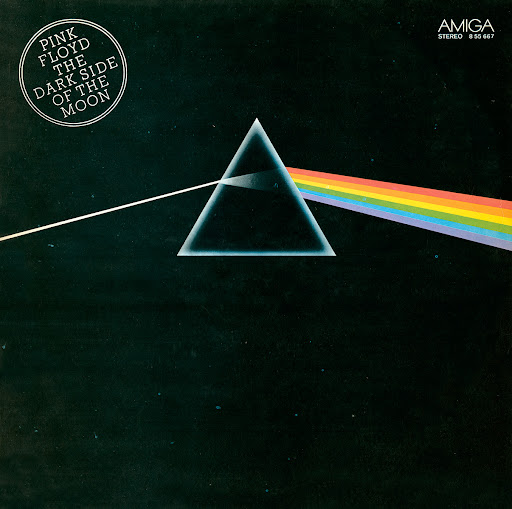
The gatefold sleeve itself offers clues: early pressings often have thicker cardboard, different color saturation in the prism artwork, and specific text layouts on the back cover. Even the inner sleeves matter—original pressings came with solid blue paper sleeves, while later issues might have clear plastic bags or different designs.

The Details Dealers Often Miss
Many record store employees and even some dealers don’t understand these nuances, leading to mispriced inventory. Through my years of collecting, I’ve heard stories of valuable early pressings in discount bins because the seller only looked at the condition of the cover, not the pressing details. The best find I heard about was a 1973 UK pressing with perfect matrix numbers hiding in a stack of beat-up albums, priced at $15 because of a split seam on the gatefold. Conversely, I’ve seen common 1980s reissues priced as rare originals because the seller assumed age equals value.
The catalog number is crucial but often overlooked. A UK pressing with “SHVL 804” is fundamentally different from one marked “SHPF 804” or “CDP 746 001,” even if they look similar at first glance. These numbers tell the story of different pressing campaigns, often years or decades apart.
The Pricing Problem
The “Pink Floyd Premium” Fallacy
The biggest misconception plaguing DSOTM sales is the assumption that anything by Pink Floyd automatically commands premium prices. While certain pressings are indeed valuable, the vast majority of DSOTM copies are common records that shouldn’t cost more than any other album from their respective eras.
I’ve often seen 1980s reissues priced at $50-$80, with sellers justifying the cost by pointing to the Pink Floyd name. In reality, these pressings are abundant and should be priced comparably to other rock albums from the same period—typically $25-40 depending on condition.
This mispricing hurts both buyers and sellers. As someone who’s been on both sides of these transactions through my wheeling and dealing as Rhythm Exchange Records, I’ve seen collectors avoid common pressings, leading to stagnant inventory, while genuinely rare or desirable versions might be underpriced because sellers don’t understand the specific market for different pressings. I came across a shop with a $70 1980s reissue sitting on the hero wall while unknowingly stocking a Japanese pressing in one their rock section bins for $30—the prices should have been reversed!
Of course these kinds of scenarios are extremely uncommon these days due to the resurgence in vinyl collecting and the ease of accessibility to information online.
Understanding Real Value
The DSOTM pressings that actually command premium prices are specific and limited. Early UK Harvest pressings in excellent condition can fetch upwards of $1000, depending on the exact edition and condition. First US pressings, particularly those from SRC or early Capitol plants, might command $20-$200. Japanese pressings from the 1970s, known for their superior vinyl quality, can also bring strong prices.
Meanwhile, most 1980s reissues, regardless of condition, are worth $25-$40 at most. Modern reissues and remasters have their own markets but shouldn’t be confused with vintage pricing. The key is understanding which scarcity drives value and which abundance keeps prices reasonable.
Red Flags for Smart Collectors
Spotting Overpriced Copies
Certain price points should immediately raise suspicion. Any DSOTM priced above $50 by a seller (not a specialist shop) deserves careful examination. If the seller can’t explain why it’s priced higher than other similar copies, it’s likely overpriced.
Be wary of sellers who use vague terms like “vintage pressing” or “classic album” to justify high prices without providing specific pressing information. Similarly, “first pressing” claims without supporting evidence (like specific catalog numbers or matrix information) are often incorrect.
The condition game is another trap. A worn copy of even a rare pressing may not be worth a premium, while a pristine copy of a common pressing doesn’t suddenly become valuable. The condition premium should match the pressing’s inherent desirability.
Quality vs. Price Sweet Spots
Some of the best values in DSOTM collecting come from understanding which pressings offer excellent sound quality without commanding collector premiums. Through my collecting journey, I’ve discovered that certain 1970s international pressings, like early German or Canadian versions, can provide sound quality comparable to UK originals at much lower prices. My current “daily driver” copy is actually a 1975 German pressing that cost me $25 and sounds incredible.
Similarly, some later US pressings from the late 1970s were cut from earlier-generation masters than you might expect, offering good sound at reasonable prices. Learning to identify these “sleeper” pressings has been one of the most rewarding aspects of my collecting experience and something I love sharing with the Vinyl community.
The Educated Buyer’s Strategy
Research Tools for Real-Time Decisions
Modern technology has made in-store research much easier. The Discogs database, accessible through smartphone apps, provides detailed pressing information, market values, and identification tips. Learning to quickly cross-reference matrix numbers and catalog information can turn crate digging from guesswork into informed decision-making.
However, don’t rely solely on digital tools. Developing an eye for pressing differences and an ear for sound quality takes time and experience. I’ve spent countless hours handling different DSOTM pressings, and I’m still learning new identification tricks. The key is to handle as many different pressings as possible to understand the physical differences between early and later versions.
In-Store Tactics
When evaluating DSOTM copies in stores, develop a systematic approach. First, check the catalog number and label design to identify the general pressing era. Then examine the matrix numbers to pinpoint the specific pressing. Finally, assess the condition realistically—vinyl condition matters more than sleeve condition for sound quality, though both affect value.
Don’t be afraid to negotiate, especially if you can demonstrate knowledge about the specific pressing. However always be respectful, you don’t want to come across as a know it all and upset the store owner if you plan to shop there again. And for the love of Records, don’t let them see you using your phone to check Discogs!

Building Your Collection Strategy
Decide early whether you’re collecting for listening pleasure, investment potential, or completist satisfaction. Each approach suggests different priorities. Listeners might prioritize sound quality over rarity, while collectors might seek specific pressing variations regardless of sonic differences.
Consider starting with a good mid-tier pressing for regular listening, then gradually adding special versions as opportunities arise. This approach prevents the frustration of owning only expensive pressings you’re afraid to play while ensuring you always have a quality copy available.
The Long View
The challenges of collecting DSOTM reflect broader issues in the vinyl market: information asymmetry, nostalgia-driven pricing, and the tension between casual sellers and serious collectors. Through my collecting and now my blogging, I’ve seen how education benefits everyone involved. Sellers who understand their inventory can price appropriately and turn inventory faster. Buyers who know what they’re looking at can find genuine bargains and avoid overpaying for common pressings.
The irony is that DSOTM’s very success—its countless pressings and universal availability—makes it more complex to collect than truly rare albums. With rare records, scarcity creates clear value propositions. With DSOTM, abundance creates confusion, and knowledge becomes the collector’s most valuable tool.
Finding a properly-priced, high-quality pressing of “The Dark Side of the Moon” in a record store remains one of vinyl collecting’s genuine thrills. It requires patience, knowledge, and a bit of luck. But when you spot that early pressing in a stack of later reissues, correctly identify its value, and negotiate a fair price, you’re not just buying a record—you’re participating in one of music history’s most complex and rewarding collecting challenges. As someone who’s experienced that thrill multiple times, I can tell you it never gets old.
The dark side of the moon may be mysterious, but the dark side of crate digging for Pink Floyd doesn’t have to be. With the right knowledge and approach, even the most complicated album in vinyl collecting can yield its treasures to the prepared collector. That’s the mission here at Rhythm Exchange Records—helping fellow collectors navigate these complexities and find the music they love at prices that make sense.
What about you, do you have a copy of Dark Side in your collection? Or perhaps you have been inspired to seek out a copy in your next crate digging session. I’d love to hear your thoughts, why not leave a comment below and we can carry on the discussion.







 Rhythm Exchange Records
Leave a comment