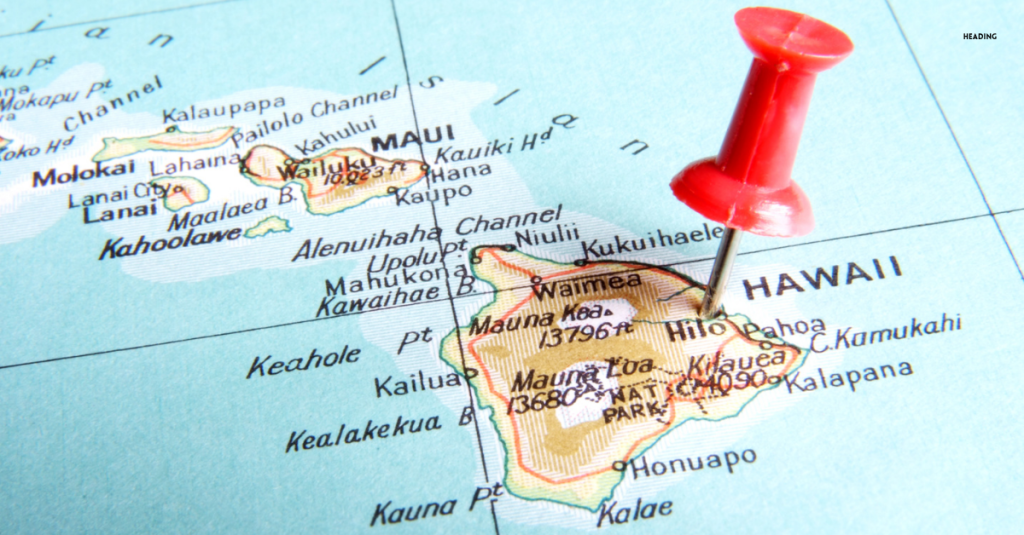
Explore the overlooked world of vintage Hawaiian music records, where affordable collecting meets exotic sounds and nostalgic charm. From steel guitar masters to tiki lounge classics, these forgotten gems offer collectors a unique journey into mid-century paradise.

As a vinyl collector, I’ve always been drawn to the unusual, the forgotten, and the beautifully nostalgic. While others chase after expensive Beatles pressings or rare jazz albums, I’ve stumbled upon what might be one of the most rewarding and affordable collecting niches in the vinyl world: Hawaiian music records from the 1950s and 1960s.
It wasn’t until recently that I truly appreciated the unique charm of these recordings. What started as a casual purchase of an Hawaiian album at a garage sale to use at a tiki themed party has evolved into a passionate exploration of an entire musical genre that captures the essence of mid-century America’s fascination with tropical paradise.
The Accidental Discovery: Why Hawaiian Music Records Are Collector’s Gold
The beauty of collecting Hawaiian music vinyl lies not in its monetary value, but in its pure, unadulterated joy. These records represent a time when America was enchanted by the exotic sounds of the Pacific, when tiki culture was at its peak, and when the steel guitar could transport listeners to a world of swaying palm trees and endless summer.
Unlike many collectible records that command high prices due to rarity or investment potential, Hawaiian music albums from this era remain refreshingly affordable. You can build an impressive collection without breaking the bank, making it perfect for collectors who prioritize musical discovery over financial gain.
The Sound of Paradise: What Makes 1950s-60s Hawaiian Music Special
The Steel Guitar Revolution
The heart of vintage Hawaiian music lies in the distinctive sound of the steel guitar, an instrument that was invented in Hawaii and became the signature voice of the islands. Masters like Jerry Byrd transformed this instrument into something truly magical, creating cascading melodies that seemed to flow like gentle waves across tropical beaches.
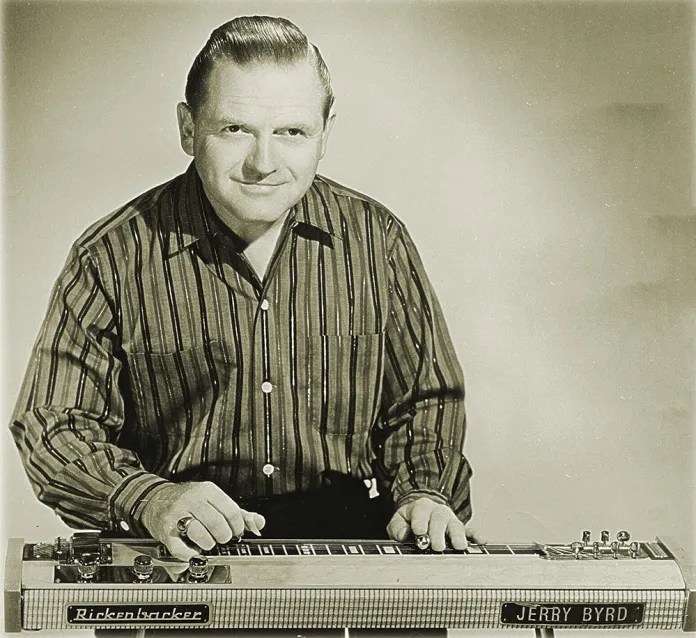
Jerry Byrd, often called the “Master of Touch and Tone,” recorded prolifically during this period, and his albums are among the most rewarding finds for collectors. His precise technique and emotional depth brought legitimacy to Hawaiian music in the continental United States, bridging the gap between authentic island traditions and mainland entertainment.
The Exotica Movement and Arthur Lyman
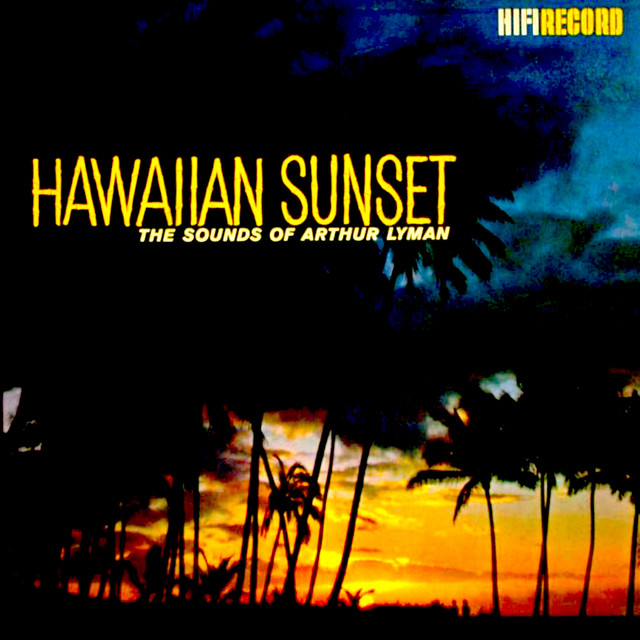
The 1950s and 60s saw the rise of “exotica” music, a genre that blended Hawaiian sounds with jazz, percussion, and imaginative arrangements. Arthur Lyman stood at the forefront of this movement, creating lush, atmospheric recordings that transported listeners to imaginary tropical paradises.
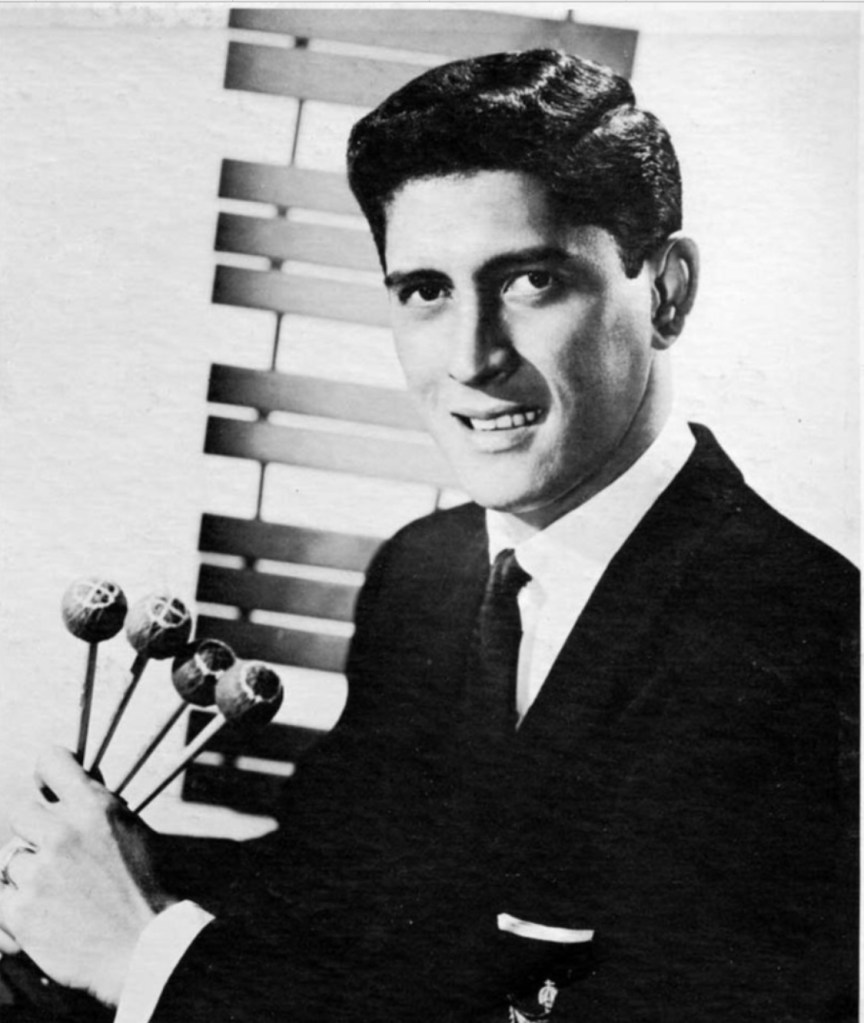
Lyman’s albums, with their distinctive vibraphone melodies and exotic percussion, represent some of the most sophisticated Hawaiian music of the era. His recordings like “Taboo” and “Yellow Bird” became classics of the genre, yet his vinyl albums remain surprisingly affordable and widely available to collectors.
The Tiki Lounge Experience
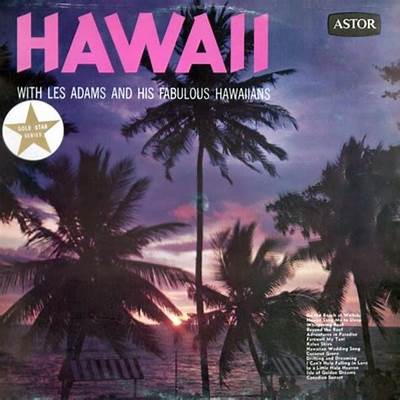
This era coincided with America’s tiki bar craze, when Polynesian-themed restaurants and lounges sprouted across the mainland. Artists like Les Adams and His Fabulous Hawaiians created the perfect soundtrack for this cultural phenomenon, recording albums that captured the relaxed, tropical atmosphere that Americans craved.
Les Adams’ recordings epitomize the polished, professional Hawaiian music that appealed to mainland audiences. His arrangements were sophisticated yet accessible, making Hawaiian music palatable to American tastes while maintaining enough authenticity to satisfy purists.
The Artists Who Defined an Era
Webley Edwards: The Voice of Hawaii
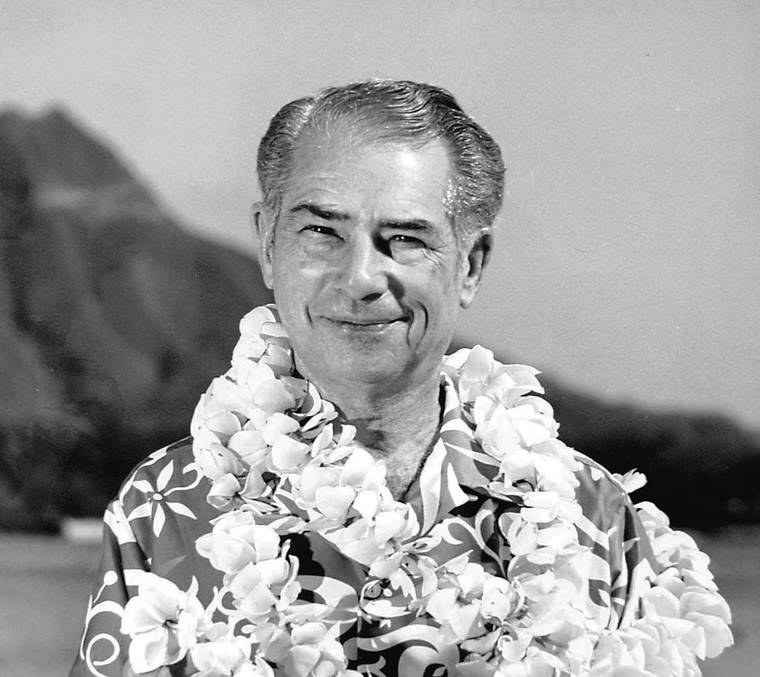
Webley Edwards wasn’t just a musician—he was Hawaii’s musical ambassador to the world. His radio show “Hawaii Calls” broadcast live from the beach at Waikiki, bringing authentic Hawaiian music to millions of mainland listeners. His vinyl recordings capture the same warm, inviting spirit that made his radio show so beloved.
Edwards’ albums often featured collaborations with various Hawaiian artists, making them excellent samplers of the era’s diverse musical styles. For collectors, his records offer a comprehensive overview of Hawaiian music’s golden age.
Bill Wolfgramme: The Underrated Master
Bill Wolfgramme represents one of the era’s most underappreciated talents. His steel guitar work was technically brilliant yet emotionally resonant, and his recordings showcase the instrument’s incredible versatility. Wolfgramme’s albums are often overlooked by casual collectors, making them excellent finds for those who dig deeper into the genre.

His interpretations of both traditional Hawaiian songs and popular American standards demonstrate how Hawaiian music could adapt and evolve while maintaining its distinctive character.
The Visual Appeal: Album Art as Window to Paradise
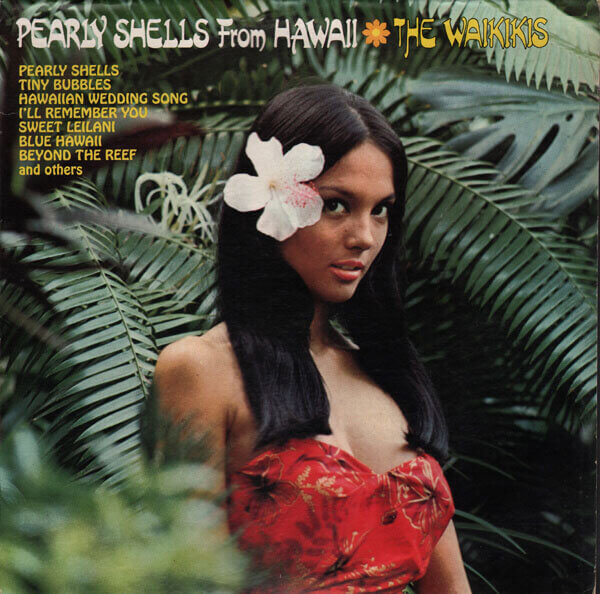
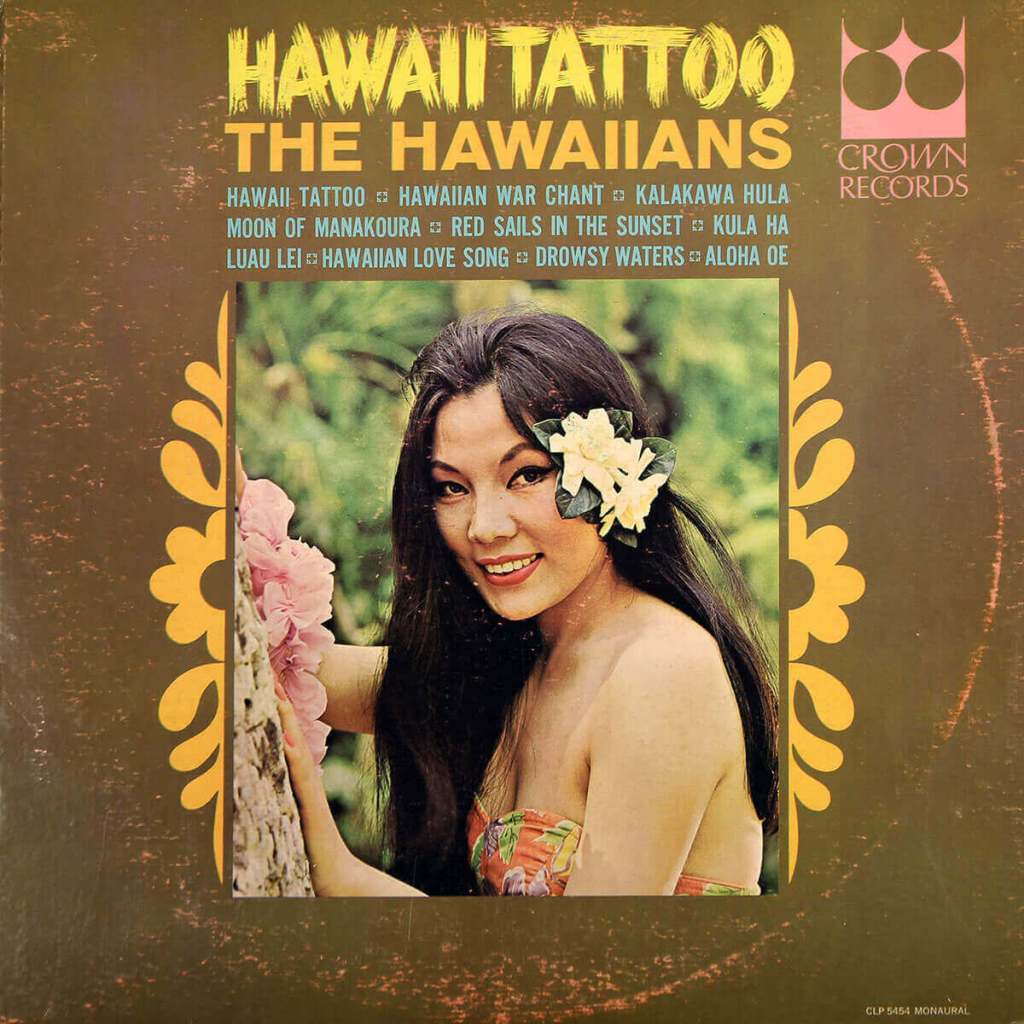
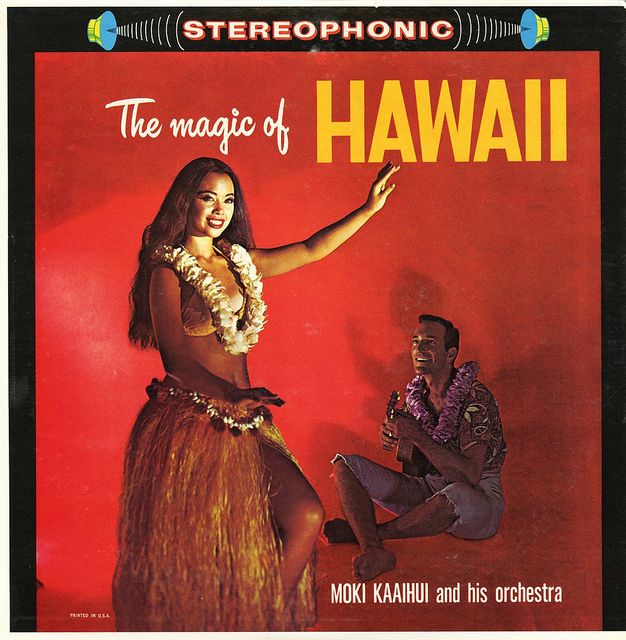
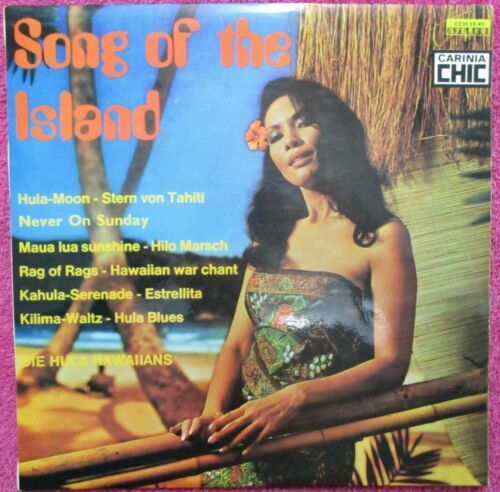
One of the most immediately appealing aspects of collecting Hawaiian music vinyl is the incredible album artwork. These records feature some of the most evocative and beautiful cover designs of the era, often showcasing tropical landscapes, hula dancers, and island imagery that instantly transports viewers to an idealized version of Hawaii.
The cover art tells its own story about mid-century America’s perception of Hawaii and the Pacific. From realistic photography to stylized illustrations, these albums capture the romantic vision of island life that captivated mainland audiences. Many collectors are initially drawn to these records simply because of their visual appeal—the music becomes a wonderful bonus.
Why Hawaiian Music Vinyl Remains Affordable
The Overlooked Genre Factor
While jazz, rock, and soul records from the same era command high prices, Hawaiian music remains largely overlooked by mainstream collectors. This oversight creates opportunities for adventurous collectors to build impressive collections at reasonable prices.
The genre’s association with “easy listening” or “lounge music” has unfairly relegated it to novelty status among some collectors. However, this perception couldn’t be further from the truth—the musicianship on these recordings is often extraordinary, and the compositions are sophisticated and emotionally complex.
Abundant Pressing Runs
Many Hawaiian music albums were pressed in large quantities to meet mainland demand, especially during the height of the tiki craze. This abundance means that collectors can often find multiple copies of the same album, allowing them to be selective about condition while still maintaining affordable prices.
The Niche Market Advantage
Because Hawaiian music collecting remains a niche interest, there’s less competition among collectors, which helps keep prices reasonable. This creates a welcoming environment for new collectors who can explore the genre without feeling priced out of the market.
The Joy of Musical Discovery
Expanding Your Musical Horizons
Collecting Hawaiian music vinyl offers the unique pleasure of discovering an entire musical tradition that many people have never seriously explored. Each album reveals new facets of Hawaiian culture, from traditional folk songs to sophisticated jazz-influenced arrangements.
The genre’s diversity is remarkable—within Hawaiian music, you’ll find everything from intimate solo steel guitar performances to full orchestral arrangements, from ancient chants to contemporary compositions. This variety ensures that collectors never run out of new sounds to discover.
The Nostalgic Connection
These records capture a specific moment in American cultural history when the idea of tropical paradise held special meaning. Post-war America was prosperous and optimistic, and Hawaiian music represented escape, relaxation, and the American dream of endless leisure.
Listening to these albums today provides a direct connection to that era’s hopes and dreams. The music evokes images of backyard luaus, tiki bars, and summer evenings when the world seemed full of possibilities.

Building Your Hawaiian Music Collection
Starting Points for New Collectors
Essential Artists to Seek Out:
- Jerry Byrd – Look for his steel guitar instrumentals
- Arthur Lyman – Perfect introduction to exotica
- Les Adams and His Fabulous Hawaiians – Polished mainstream appeal
- Webley Edwards – Authentic Hawaiian compilation albums
- Bill Wolfgramme – Underrated technical mastery
Where to Find Hawaiian Music Vinyl
Best Hunting Grounds:
- Garage sales and estate sales – Often overlooked treasures
- Thrift stores – Regular rotation of donations
- Record shows – Dealers often have affordable Hawaiian sections
- Online marketplaces – Good for specific titles
- Antique malls – Sometimes find complete collections
What to Look For
Condition Considerations: Since these records are collected for listening pleasure rather than investment, focus on playable copies rather than mint condition. Many Hawaiian albums sound wonderful even with light surface wear.
Label Variations: Different labels often featured different arrangements of the same songs, making it worthwhile to collect multiple versions of favorite tunes.
The Therapeutic Aspect of Hawaiian Music Collecting
Stress-Free Collecting
One of the greatest joys of collecting Hawaiian music vinyl is the absence of pressure. Without the stress of investment value or extreme rarity, collectors can focus purely on personal enjoyment and musical discovery.
This relaxed approach makes the hobby more sustainable and enjoyable over the long term. Every find is a pleasant surprise rather than a calculated investment move.
The Music as Escape
Hawaiian music’s inherent relaxation factor makes it perfect for unwinding after stressful days. Building a collection becomes an act of self-care, creating a personal library of peace and tranquility.

The Cultural Appreciation Aspect
Understanding Hawaiian History
Collecting Hawaiian music vinyl provides an entry point into understanding Hawaiian culture and history. These recordings document how Hawaiian music evolved and adapted as Hawaii transitioned from territory to statehood.
The music reflects the complex cultural exchange between Hawaii and the mainland, showing how traditional Hawaiian elements merged with American popular music to create something entirely new.
Preserving Musical Heritage
By collecting and preserving these recordings, vinyl enthusiasts help maintain an important part of American musical history. Many of these albums might otherwise be forgotten, making collectors unofficial curators of cultural heritage.
The Social Aspect of Hawaiian Music Collecting
Sharing the Discovery
Hawaiian music’s inherent charm makes it perfect for sharing with friends and family. These records work wonderfully for background music at gatherings, introducing others to the genre’s unique appeal.
The music’s universal appeal—who doesn’t enjoy the sound of steel guitar and tropical rhythms?—makes it an excellent conversation starter and a way to connect with other music lovers.
Building Community
While Hawaiian music collectors may be fewer in number than other genres, they tend to be passionate and knowledgeable. Finding fellow enthusiasts creates opportunities for trading records, sharing information, and building lasting friendships based on shared musical interests.
The Future of Hawaiian Music Collecting
Growing Appreciation
As vinyl collecting continues to grow in popularity, more collectors are discovering the joys of Hawaiian music. This growing appreciation may eventually impact prices, but for now, the field remains wide open for new collectors.
Preservation Efforts
Increased interest in the genre has led to reissue programs and digital preservation efforts, ensuring that these recordings will be available for future generations to discover and enjoy.
Conclusion: Your Invitation to Paradise
Collecting Hawaiian music vinyl from the 1950s and 60s offers a unique combination of affordability, musical discovery, and pure joy that’s increasingly rare in today’s competitive collecting market. These records provide a direct connection to an era when music could transport listeners to paradise with just a few notes of steel guitar.
Whether you’re drawn to the sophisticated arrangements of Arthur Lyman, the technical mastery of Jerry Byrd, or the warm authenticity of Webley Edwards, Hawaiian music vinyl collecting offers endless opportunities for discovery and enjoyment.
The beauty of this collecting niche lies not in its potential for profit, but in its ability to enrich your life with beautiful music, cultural understanding, and the simple pleasure of owning something truly special. In a world that often feels hurried and stressful, these records offer a musical escape to a place where time moves slowly and every day feels like a gentle breeze through palm trees.
So next time you’re digging through records at a garage sale or thrift store, keep an eye out for those colorful covers featuring tropical scenes and steel guitars. You might just discover your own piece of paradise, one record at a time.
Aloha, and happy digging!
Have you already discovered Hawaiian albums? Maybe you have an elderly relative that has original copies of Hawaiian albums tucked away in a cupboard somewhere, or maybe you collect another obscure genre? I’d love you to drop a comment below to tell me more!





 Rhythm Exchange Records
Leave a comment