
Alright, so I’m hearing a lot of talk in the Newbie Collectors circles out there about how to store your vinyl correctly. Now I’m no real expert, but as I’ve been collecting since the 80’s I can say I’ve gone through a few trials and tribulations in the world of storage and caring for vinyl, and I’ve definitely got a few stories to share that’ll save your collection from turning into expensive drink coasters.
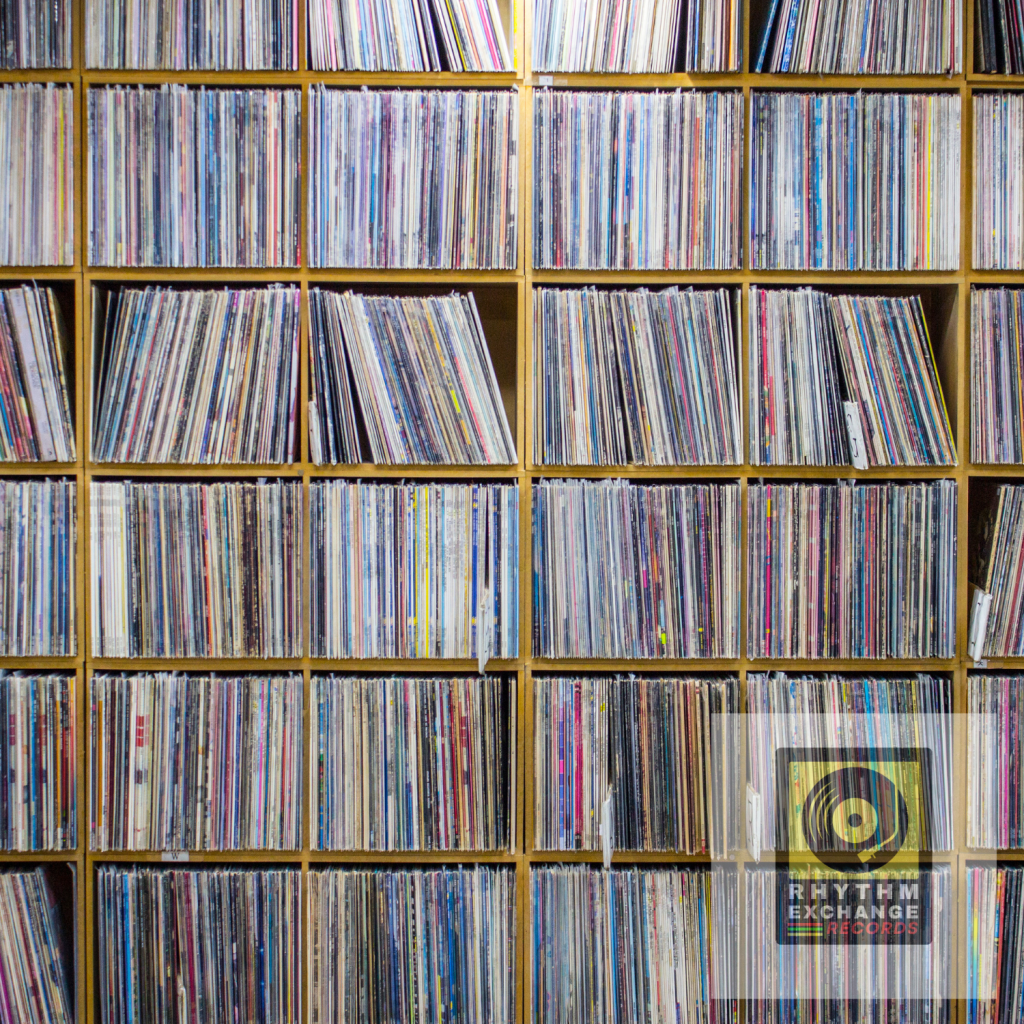
Why I give a damn about how you store your records!
About 30 years ago I had just moved out of home and into my first share house, I had this mint condition UK pressing of Led Zeppelin II that cost me about a weeks rent, (in comparison thats about the price of a mixed drink at a pub these days).
So where do I put said expensive record? In a stack of other records on my bedroom floor, after a few weeks, it had a dog-eared cover, and the vinyl looked like it had become one with the carpet and its dust!
That’s when I realised that this method of storage was less than ideal!
The thing is, those tiny grooves that make the magic happen are microscopic. I’m talking smaller than the width of human hair and need to be protected. When you stuff up the storage, you get:
- Warping that makes your records look like a Salvadore Dali painting
- Scratches that sound like your record has a built in metronome, except it has the wrong timing.
- Ring wear that makes your album covers look like they’ve been used to sand down an old bookshelf.
- Mould that’ll make your collection smell like that share house bathroom you had back in Uni.
- Groove damage from dust being pushed into the grooves, causing your favourite record to sound like static soup.
But here’s the good news, I’ve figured out how to keep records in good nick for decades. Stick with me, and I’ll share the not so secret, secrets.
The rules I live by (after the occasional stuff up)
1: Stand up and be counted!
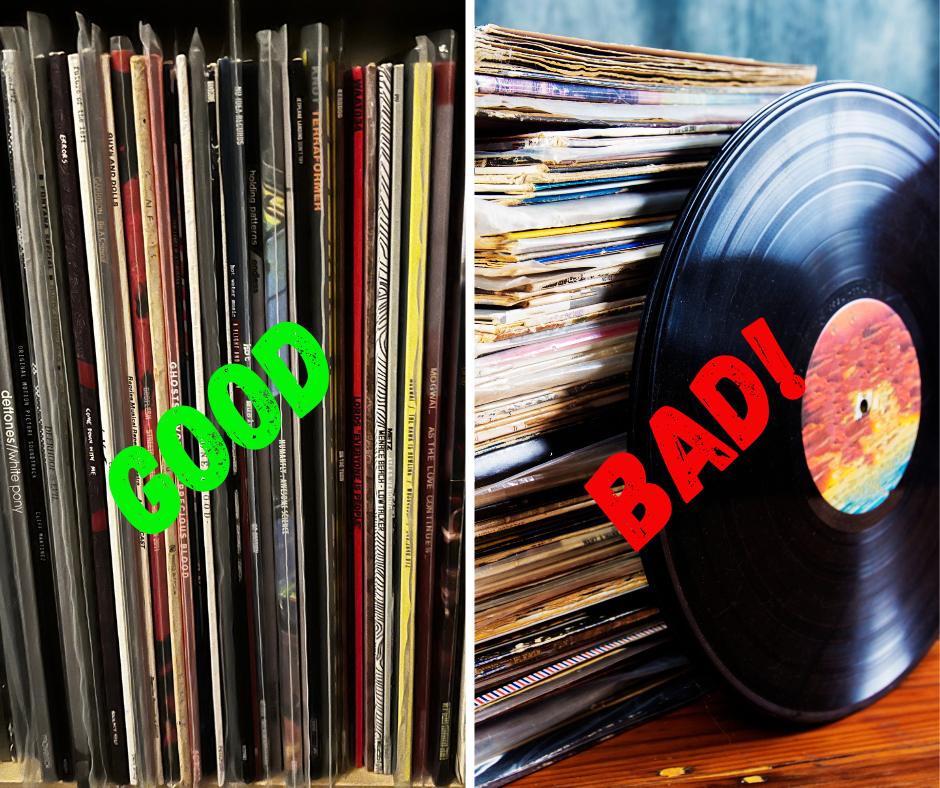
This is a big one, and I learned it the hard way.
Never, and I mean NEVER, stack your records flat on the floor or any hard flat surface for that matter.
I did this once with a stack of records because, well, I didn’t really know any better.
Three weeks later, I go to play my copy of Dark Side Of The Moon, and it looks like a mangled saucer. The bottom records had been crushed under the weight, and there was even a 7″ single in the middle that left permanent impressions on several of the covers above and below.
Here’s what I do now: Simply store them vertically like books on a shelf. But don’t cram them in either. Give them a bit of breathing room, and make it so you can actually get them out without damaging the covers.
2: Keep your climate under control. If you’re comfortable, so are your records.
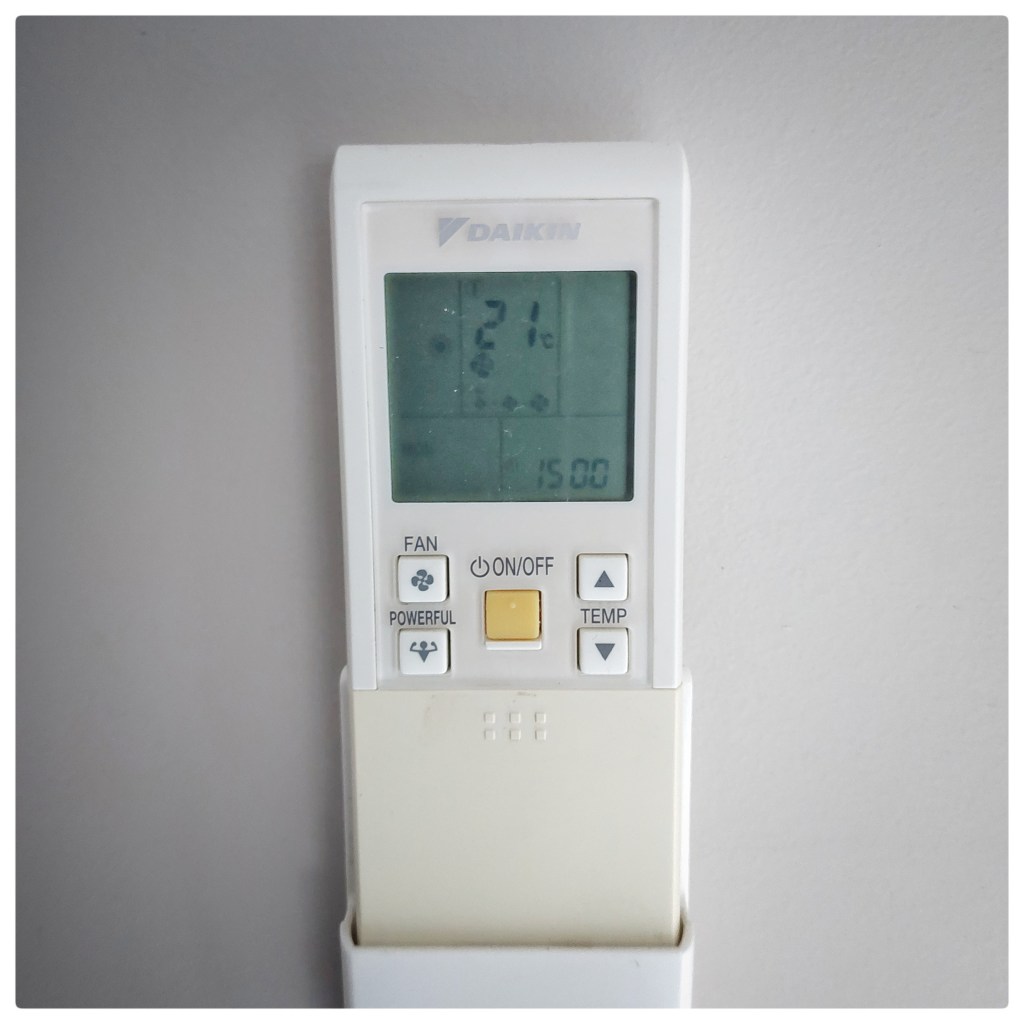
Australian weather is mental. In summer, it can be 40 degrees one day and pissing down rain the next. Your records hate this, and why wouldn’t they? You hate it too, right?
I learned this when I stored a crate of records in a back room that was poorly insulated during a particularly hot summer.
I came back to find them either stuck to each other and to their pvc sleeves ( more on this later ), or smelling pretty nasty due to radical temptation fluctuations causing moisture to build up in the outer sleeves.
Now, I make sure to keep my collection somewhere the room temp is more consistent.
- Temperature around 18-21°C (that’s comfortable for humans too, bonus!)
- Humidity around 45-50% a humidity gauge can be picked up pretty cheaply, but really, how far do you want to go? Common sense usually prevails.
- No massive temperature swings, this causes stress to the vinyl.
I also learned about something called “off-gassing” more recently.
Those cheap pvc plastic inner sleeves can be a real issue when the records get too warm. The plastic leeches chemicals that react with the vinyl.
This can leave marks that can’t be removed and, in extreme cases, can even affect the sound quality.
3: For the love of vinyl, keep them out of the sun!
It sounds pretty obvious, but UV rays will fade your album artwork faster than you can say, “limited edition pressing.” I’ve seen a beautiful gatefold cover get completely bleached on one side because it was near a window. Now, it’s a constant reminder of my complacency.
Again, this also goes back to keeping the temp constant. It sounds obvious, but it’s easy to get caught out.
What gear actually works, and what’s just marketing BS ?
Inner sleeves: Don’t cheap out and make your collection worthless.
Those dirty old inner sleeves that come with used records? They’re about as protective as a tin hat in a thunderstorm. I’ve found records at garage sales where some were crumpled up and not even covering the record, mainly the thin plastic ones but, cheap raw paper sleeves are just as bad and can make the vinyl look like it’s been hit with 180 grit sandpaper, mmmm scratchy!
Here’s some options of what you should use that work:
Anti-static inner sleeves: These are the top teir of inner sleeves. Yeah, they cost a bit, but they’re worth every cent for your good records. I buy them online to save a few bucks. You can get some here – 50 Pack of Vinyl Record Inner Sleeves
Polyethylene sleeves: These are my go-to for a fair amount of my collection. Cheaper than the fancy ones but still way better than the old static infested plastic or cartridge paper sleeves. Just be warned, they can still get a bit of static in winter when you’re running the heater, which in turn attracts dust, so an anti static cleaning kit is a good investment to maintain cleanliness.
Rice paper sleeves: Tried these once because they got talked up a lot in the vinyl community.
They work really well but cost a heck of a lot, and there has been some controversy about whether some expensive brands really are true rice paper.
Unless you’re storing a low number White Album, or you’re made of money, it’s probably a bit of overkill.
Outer sleeves: Your album art’s best mate
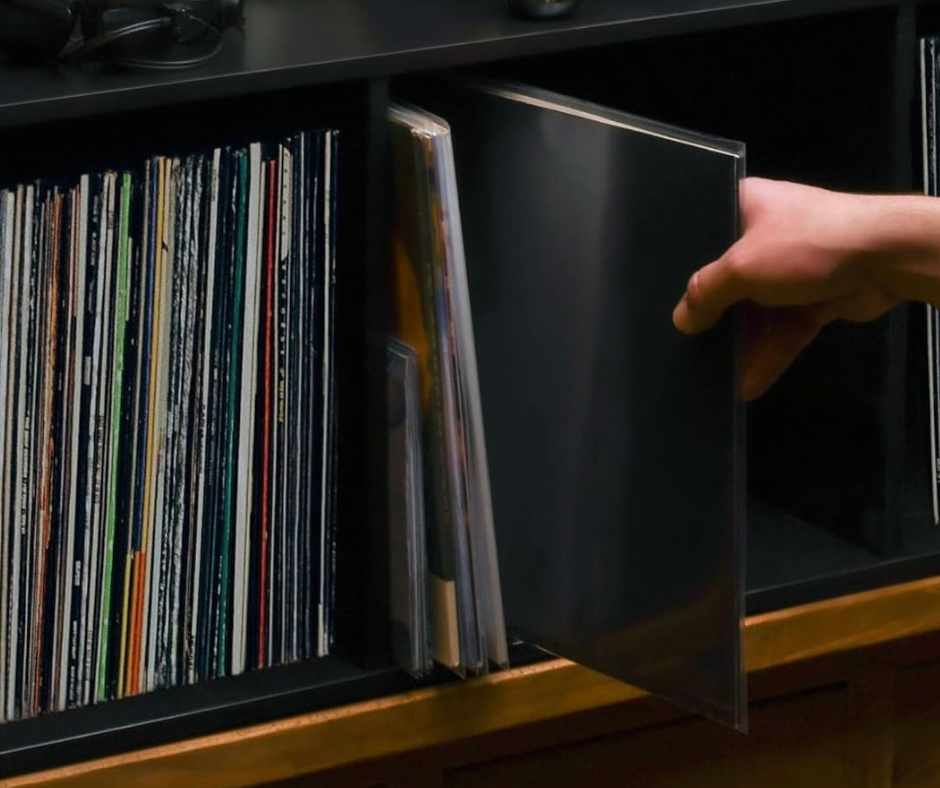
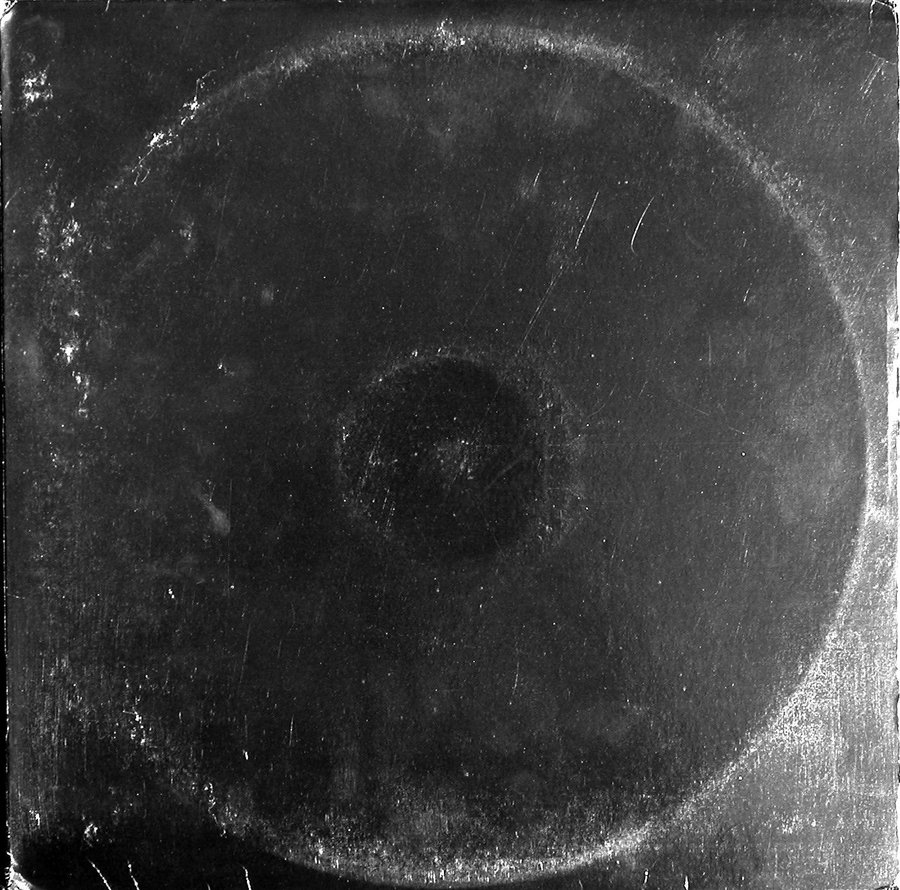
See that ring wear in the photo? That’s what happens when you don’t use outer sleeves.
I’ve got a heap of 12″ singles from my early days when I dabbled in Djing. They actually look like they’ve been used as drink coasters at a house party, which, to be fair, they probably were.
Now every single record gets a poly outer sleeve before it goes on the shelf. Costs about 50 cents per record but saves them from looking like an old Tom Clancy paper back that’s been left on a train.
Shelving: Where your records live
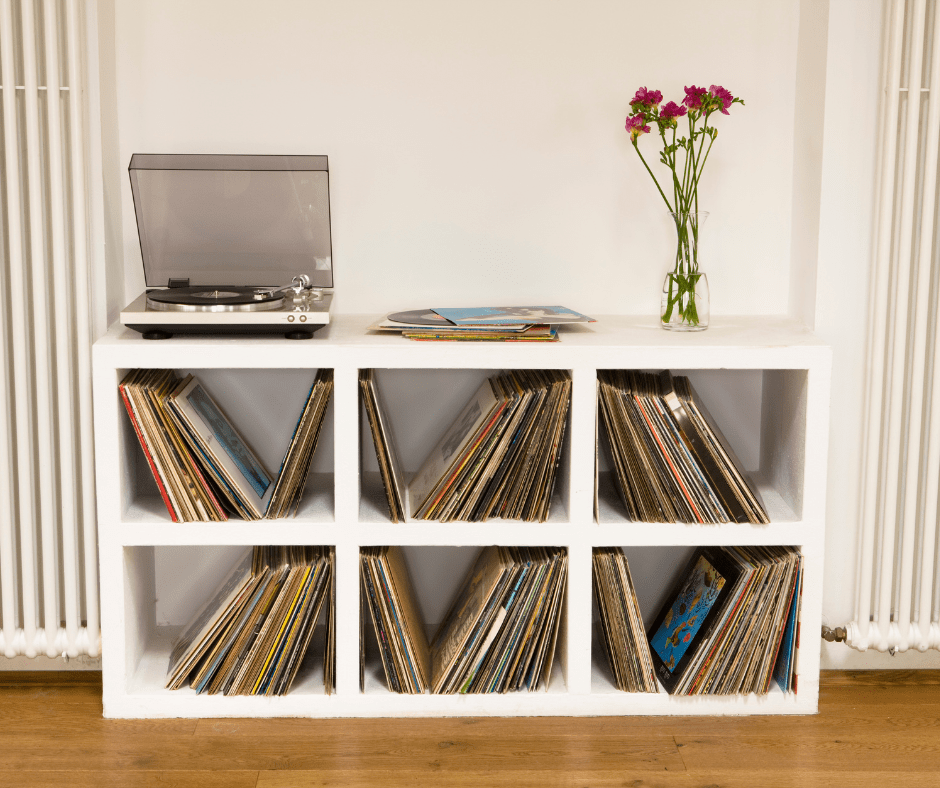

IKEA Kallax shelves: These are the go-to of affordable record storage. I’ve got six of these cubes. They’re actually pretty good.
Strong enough to hold the weight, they’re the perfect size, and they won’t break the bank! They also have a range of different colours and configurations, but I prefer white. Every record collector I know has at least one set.
Custom shelving: I looked into this when I was feeling overly motivated. DIY options start around $2500 for something that, depending on your skill level, may not end up like you imagined. But unless you’ve got a dedicated record room and a fair bit of time and cash to pay someone else to do it, stick with the Kallax.
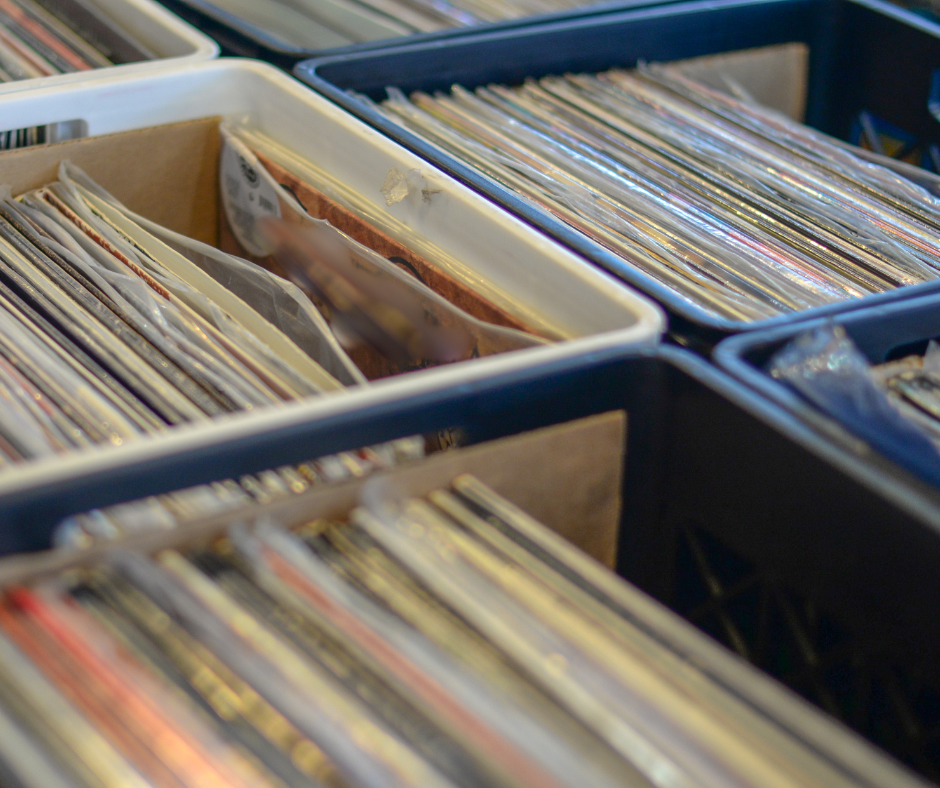
Record crates: Great if you sell at markets or move your collection around regularly. I use a couple to store the records I don’t play as often and need the extra space on my shelves. They are also better aesthetically than the old milk crate 90s Uni share house vibe.
How I organize my collection and why it matters.
I’ve tried all these systems at some point over the years either out of boredom or necessity, there is no right or wrong as long as it works for you.
Alphabetical: I do this in conjunction with genre. It’s dead easy to find anything, and other people can actually locate records.
No more mates flipping records and bending covers trying to find that awesome Ween album buried amongst 100 other random albums in no logical order.
By genre: I use this in conjunction with alphabetical because I’m a frustrated Dj at heart and prefer to go by style, Jungle or Drum and Bass? I keep them alphabetically within genre to make it a little easier.
Chronological: Nope, because do you actually have a life? “Hmm, I’m feeling in a 1986 mood today”…..Might be fun for about 5 minutes until it’s not, but hey, you do you.
Advanced tricks for the serious collectors
Record room climate control: worth the expense?
When my collection hit 800 records, I did think for a minute about climate control just for that room. But the cost to run something like that for long periods over summer just for records seems a little bonkers. Sure, it’s nice, but kind of excessive.
Where moisture or humidity is an issue, I use those damp absorption tubs. You can find them in the supermarket. They’re pretty cheap and can sit at the back of your storage area to help keep the damp away.
I currently store all my vinyl in the living spaces that already have hesting and cooling because humans, just like records, don’t enjoy extreme temperature fluctuations.
It’s more efficient, too, as you’ll usually be controlling the temp of the room anyway.
But if you don’t have that option or space, a room with a reasonably moderate temperature is best, not the garage or attic. Gradual temperature increases are less damaging than rapid changes.
Handling: don’t stick your fingers where you shouldn’t!
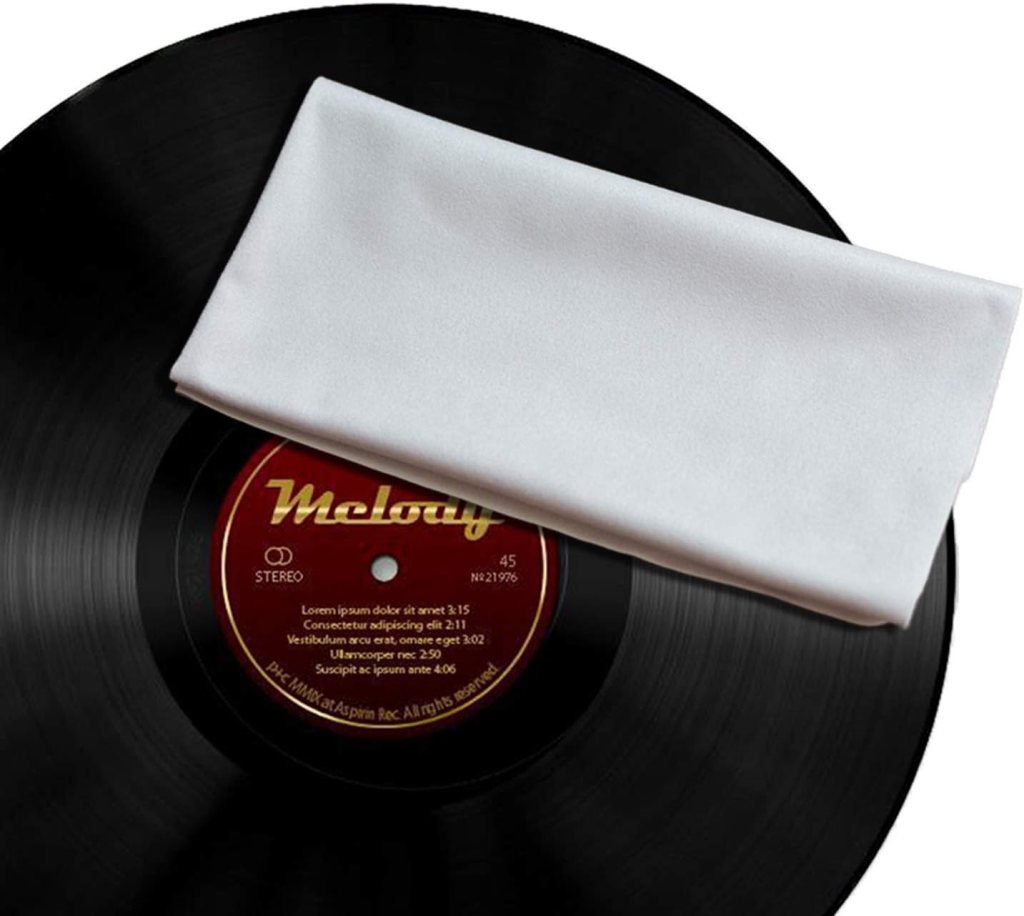
I’ve seen people grab records out of their sleeves like their holding up a fish they just caught! Sticking their greasy fingers all over the playing surface.
Makes me cringe every time.
Always hold them by the outer edges and support the middle using the inner label.
Never finger the grooves, oh behave! The oils from your skin will build up over time and affect the sound quality, as well as slowly damaging your stylus.
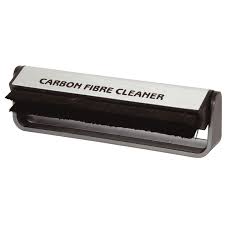
I always use a carbon fibre brush before every play to remove small dust particles.
This is a non-negotiable for me.
I do a wet clean every time I notice a bit too much noise on my most played albums, usually once a month.
No, I don’t own a whizz bang high-end cleaner.
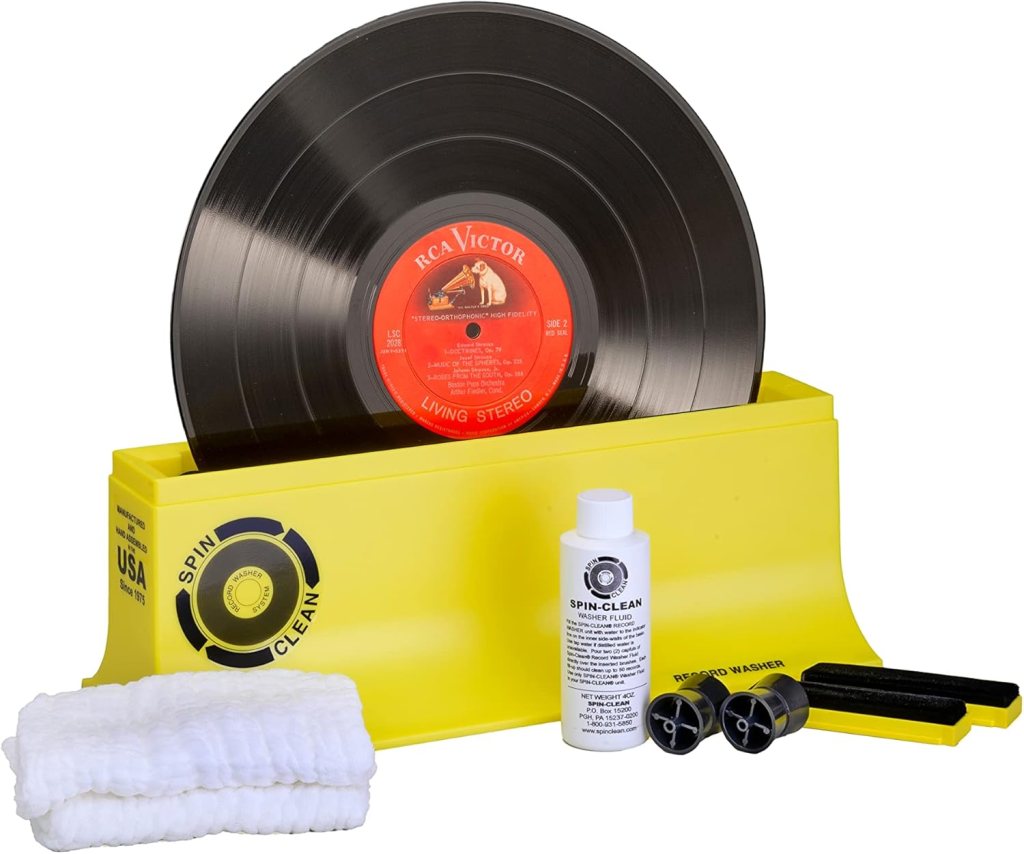
Although I have heard good things, I just use a simple spin clean for what I need, and it usually gets the job done.
Plus, quite a few independent record stores offer a cleaning service for those special records. This is also a great way to support your local record retailer.
Believe it or not, there isn’t much money in owning a record store.
The mistakes that still haunt me
Garage storage fiasco.
I once stored some less-played records in the garage, as I didn’t have the storage space inside.
I came back after winter to find a number of damaged covers due to damp and lots of dust even though they were covered. This was due to the poor seals around the garage roller door allowing dust and wind from outside to come in a swirl around. It wasn’t that much of a disaster in the end, but it wasn’t good either.
The great overcrowding incident
I once tried to fit 100 records in a space meant for 75 because I was moving and couldn’t find any more suitable crates. Getting the first few albums out became difficult, and I dog eared a few covers in the process, leaving ugly creases.
PVC outer sleeve horror story
Back in the 80’s PVC records outer sleeves were pretty popular, they were supposed to protect the album art work, unfortunately with years of storage it usually leads to the ink in the artwork reacting with the PVC outer and welding them together.
Trying to remove the sleeve is like performing surgery with a butter knife, literally.
When I did this on a couple of my old albums that were left for too long, I caused some annoying damage as the ink came away with the outer sleeves.
I’ve heard a hair dryer on a low setting can help, but only attempt this if you are sure of what you’re doing. Unfortunately, if you find a record with this issue, it usually ends in tears.
Cleaning and maintenance: Start a new habit.
I clean my most played records every month now with proper cleaning solution. Sounds like a chore, but it’s actually quite relaxing – like meditation, but with better music, and maybe beer.
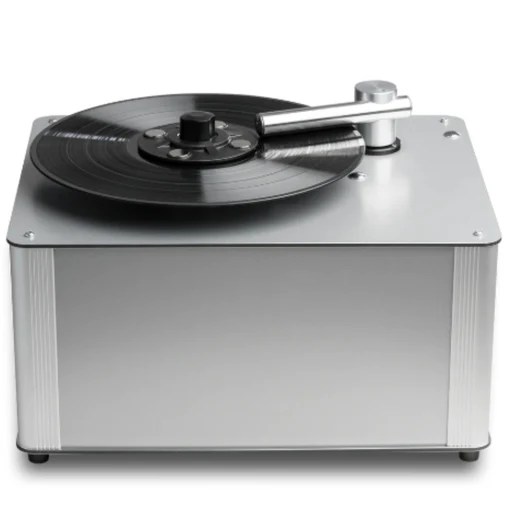
For the really grimy ones, I invested in a record cleaning device.
The Humminguru is a ripper but a bit pricey at $800, but it can pay for itself by bringing dead records back to life.
But if you’re like me and prefer to spend that money on more records, a spin clean is more than acceptable, and once you’re set up, it’s remarkably quick!
I also make sure to dust the shelves regularly with a mini vacuum. It’s amazing how much crap accumulates, especially if you’ve got pets.
Our cat’s hair gets everywhere, including on my records, which is less than ideal, but as long as you are aware of the issue, then it’s not hard to avoid problems later on down the track.
Budget storage: We all have to start somewhere, right?
Look, not everyone can drop a grand on storage gear right away. Here’s how I started in the cheapest way I could:
- Basic poly inner sleeves first – be sure to ditch those paper ones immediately then save for some good quality ones and gradually introduce them to new purchases and more valuable records.
- Sturdy cardboard boxes – I kept records upright in the spare room until I could afford proper shelving, they were reasonably insulated and allowed the records to be moved easily when required.
- Second-hand furniture – Check out second-hand furniture options. I use old shelves and cupboards over the years. All were picked up at garage sales and served their purpose until I could afford something more ” designer”
Special records get special treatment
I’ve got quite a few records that are in the three figures price range. I see these as a retirement investment (though it may be an inheritance for my kids given my inability to part with my records). These records get the following treatment:
- Expensive archival quality inner and outer sleeves, complete with catalogue and description cards
- Stored away from the daily-play collection on a separate shelf (literally top shelf vinyl)
- Climate controlled environment, well lounge room with the air-conditioner either heating or cooling the room dependent on the level of comfort and season.
- Detailed inventory with condition notes, I like to nerd it up and have a cloud database and a Discogs account so I can check values and details when I’m out buying and selling.
The bottom line.
Here’s the thing, proper vinyl storage isn’t just about being precious with your collection.
It’s about protecting something you’ve worked hard to obtain. I’ve seen collections worth hundreds turn to junk because of poor storage. I’ve also seen 40-year-old records that still sound like they were pressed yesterday because they were treated right.
Start with the basics: stand them up, keep them cool and dry, get decent sleeves. Build from there as your collection and budget grow.
Your records will outlive you if you treat them right. I’ve got albums my dad bought in the 60s that still sound incredible. That’s the goal, passing on music that future generations can enjoy, we owe it to future collectors to leave a well looked after piece of history.
FAQ Section.
Q: How often should I clean my records? A: I brush with an anti static brush before every play and deep clean monthly. More if they’re getting heavy rotation or if you live somewhere dusty.
Q: Can I mix 12-inch and 7-inch records together? A: Nope, separate them. Different sizes cause all sorts of problems that you don’t want to deal with.
Q: How many records can I cram into one section? A: First of all, please don’t “cram.” I stick to about 60 or so per Kallax cube. Any more, and you’re asking for trouble. Remember, records are bloody heavy, don’t underestimate the weight, and don’t jam them in and cause other problems with cover damage.
Q: Should I keep the original inner sleeves? A: Keep them for nostalgia if you want, but store them behind the record. Use a proper anti-static sleeve for the actual vinyl unless the original inner sleeves have something of interest, I’ll usually just chuck them out.
Right, that’s about it for my tips on vinyl storage. Got any questions or think I’ve missed something? Drop a comment below and I’ll get back to you.
Frank Penny writes about vinyl, music, and collecting culture at Rhythm Exchange Records. Follow along for more thoughts on keeping the joy of record collecting alive or feel free to comment with your thoughts.
*As an Amazon Associate, I earn a small commission from links provided in this post. This helps support the blog so I can continue to bring you more vinyl collecting shenanigans. It attracts no extra cost to you. Thanks for your ongoing support.






 Rhythm Exchange Records
Leave a comment