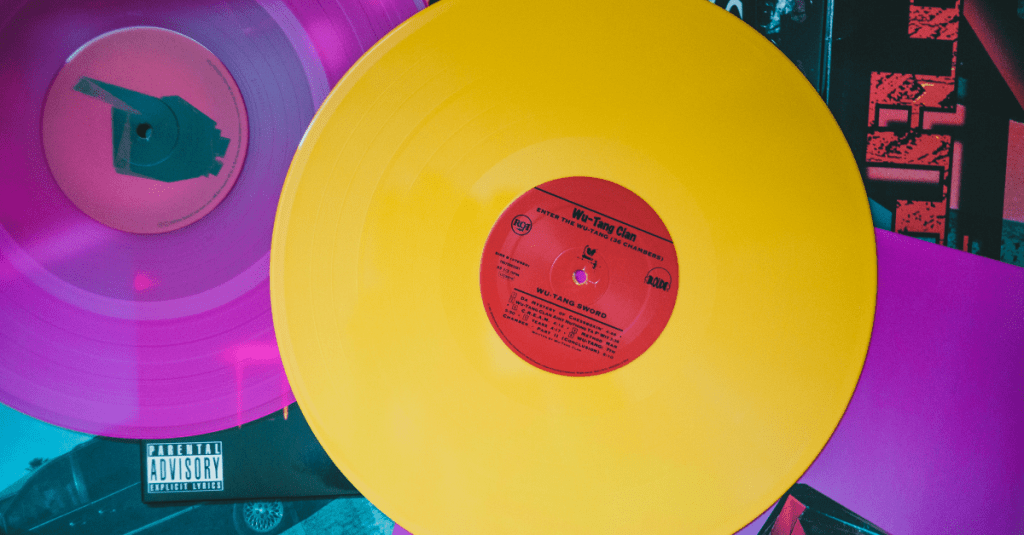
Alright, let me start with what might be a controversial take in today’s vinyl collecting world: coloured vinyl is mostly marketing nonsense dressed up as collectibility.
Now before you grab your pitchforks and start defending your rainbow hued collection, hear me out. I’ve been spinning records for decades, and I’ve watched this hobby transform from a genuine passion for music into something that sometimes feels more like commodity trading.
The heart of vinyl collecting: Music first, aesthetics second.
When I first started seriously collecting vinyl years ago, the appeal was simple and pure. It was about the music, the hunt for original pressings, and the thrill of discovering something genuinely rare or historically significant. The colour of the wax? Honestly, it barely registered and was usually just seen as a quirky novelty.
Black vinyl was the standard, and for good reason, it worked perfectly fine for what it was designed to do: deliver exceptional sound quality.
Don’t get me wrong, I absolutely love seeing vinyl’s resurgence. Walking into a record store today and seeing young faces flipping through crates gives me genuine hope for the medium’s future.
These new collectors bring energy, enthusiasm, and fresh perspectives that keep the vinyl community vibrant and growing. But there’s something about the current landscape that feels fundamentally different from the collecting culture I grew up in.
The psychology behind the shiny colours.
Here’s where things get interesting from a business perspective. Record labels aren’t stupid, they’ve figured out exactly how to tap into collector psychology, especially among younger demographics who’ve grown up in the social media age. Take Taylor Swift as a prime example of how this marketing machine operates.
In 2023, Taylor Swift accounted for an absolutely staggering 7% of all vinyl albums sold in the United States. That’s roughly one in every fifteen vinyl records sold that year, totaling 3.484 million vinyl albums across her catalog. But here’s the kicker, those numbers don’t tell the whole story. Swift’s marketing team understands something crucial about her fanbase: they’re completists.
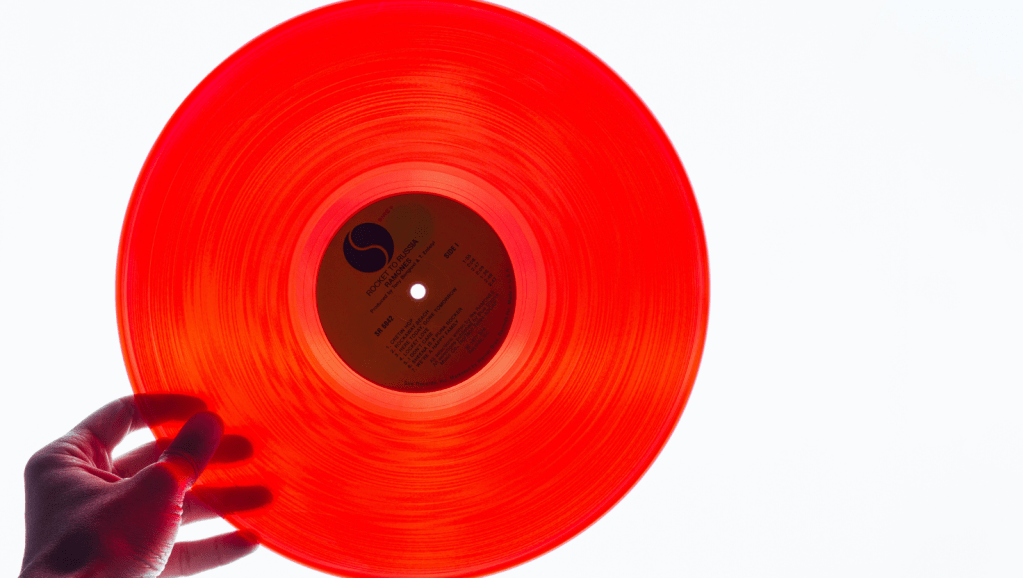
When you release the same album in five different coloured variants, you’re not just selling one record to each fan. You’re potentially selling five records to the same person! It’s brilliant marketing, really. Create artificial scarcity with limited edition colours, add a dash of FOMO (fear of missing out), and suddenly you’ve turned a single album release into a multi purchase event.
The Swifties aren’t unique in this behavior it’s a pattern we see repeated across many modern artists and their dedicated fanbases. But it represents a fundamental shift in how vinyl is being marketed and consumed. Instead of focusing on the music itself or the quality of the pressing, the emphasis has shifted to collecting variants like they’re trading cards.
The “limited edition” trap
Walk into any record store today, and you’ll see stickers everywhere proclaiming “Limited Edition Colored Vinyl” on what are essentially standard reissues. The same album you could buy on black vinyl for $35 suddenly becomes worth $60 or more simply because it’s pressed in “translucent blue with white splatter” or some other exotic color combination.
But here’s the reality check: it’s the exact same music, pressed on the exact same equipment, often from the exact same master tapes. The only difference is the color of the PVC pellets they melted down to make the record. Yet somehow, this cosmetic change is supposed to make the record more valuable, more collectible, more desirable.
The real winners in this game? The flippers. Do a quick search on Discogs for any recent “limited edition” colored vinyl release, and you’ll see copies listed for double or triple their retail price within days of release. It’s created a secondary market that feels more like stock trading than music collecting!
I remember when collecting was about hunting down original pressings, first editions, or genuinely rare items that had historical significance. Now it feels like we’re manufacturing rarity through artificial scarcity and clever marketing rather than genuine collectibility.
The Flipper economy and its impact
This brings me to one of my biggest frustrations with the current coloured vinyl trend: it’s created an entire economy built around speculation rather than appreciation. Flippers, those who buy records solely to resell them at inflated prices, have latched onto coloured vinyl as easy targets for quick profits.
These speculators don’t care about the music, the artist, or the vinyl community. They see limited edition colored pressings as commodities to be traded, driving up prices and making records less accessible to genuine fans and collectors. It’s particularly frustrating when you see records that should be readily available to music lovers instead locked away in someone’s “investment portfolio.”
The ripple effects of this speculation economy are felt throughout the vinyl community. Genuine collectors find themselves priced out of records they actually want to play and enjoy. New collectors get caught up in the hype, spending money on variants they think will appreciate in value rather than focusing on music they actually love.
A reality check for new collectors
I had an eye opening conversation recently with a young collector at a local record store. He was proudly showing off his recent purchase, a reissue of The Beatles’ “Rubber Soul” explaining how he was working to complete his Beatles collection. When I mentioned he must be a big Beatles fan, his response caught me off guard: “Not really, but I heard Beatles records go for big money.”
This interaction perfectly encapsulates what I see as a fundamental problem with how coloured vinyl marketing has influenced collecting culture. Instead of collecting music they love, new collectors are being led to believe that any limited edition or coloured variant is automatically valuable and worth owning.
The harsh reality is that most modern reissues, regardless of colour, aren’t going to appreciate significantly in value. The truly valuable records in most collections are original pressings from decades past, items with genuine historical significance, or releases with extremely limited production runs that reflect real scarcity, not manufactured scarcity.
The sound quality question
Let’s address the elephant in the room: does coloured vinyl sound different from black vinyl? In most cases, the honest answer is that any differences are negligible for the average listener. Modern pressing techniques have improved dramatically, and reputable pressing plants can produce high-quality records regardless of colour.
However, some audiophiles argue that certain additives used to create specific colours can potentially affect sound quality. Whether these differences are audible in practical listening situations is debatable, but it’s worth noting that black vinyl remains the gold standard for many serious listeners who prioritize sound quality above all else, why do you think the Mofi label doesn’t produce albums in coloured vinyl variants?
More importantly, the focus on colour often distracts from factors that actually do affect sound quality: the quality of the master source, the pressing plant’s equipment and expertise, the weight and quality of the vinyl itself, and proper quality control during manufacturing.
What makes a record truly collectible
Real collectibility in vinyl comes from several factors that have nothing to do with colour. Historical significance plays a huge role, original pressings from pivotal moments in music history, first editions of landmark albums, or records associated with important cultural movements. Genuine scarcity also matters, but it should be scarcity based on age, limited original production runs, or historical circumstances rather than artificially manufactured limitation.
The condition and authenticity of pressings matter enormously. A near mint original pressing of a classic album will always be more valuable and collectible than a coloured reissue, regardless of how pretty that reissue looks. The stories behind records, who owned them, where they came from, their journey through time, add to their collectible value in ways that colour variations simply cannot match.
The social media factor

We can’t ignore the role social media has played in elevating coloured vinyl to its current status. Instagram worthy rainbow collections get likes and shares in ways that traditional black vinyl collections simply don’t. The visual appeal of coloured vinyl makes it perfect for social media content, creating a feedback loop where collectors feel pressure to acquire visually striking variants rather than focusing on the music itself.
This social media influence isn’t necessarily bad, it’s brought new people into vinyl collecting and created communities around shared interests. But it has shifted priorities in ways that sometimes feel at odds with the deeper appreciation of music and collecting culture that drew many of us to vinyl in the first place.
Finding balance in modern collecting
Look, I’m not completely anti colored vinyl. If you genuinely love the way a particular variant looks, and it brings you joy to own it, then go for it. The problem arises when the color becomes more important than the music, or when artificial scarcity drives collecting decisions rather than genuine musical interest.
The vinyl community is big enough for all approaches to collecting. Some people love hunting for original pressings, others enjoy discovering new artists, and yes, some people get excited about coloured variants. The key is maintaining perspective about what truly matters: the music itself and the joy it brings to your life.
For new collectors, my advice is simple: buy records because you love the music, not because you think they’ll be valuable. Build a collection around artists and albums that move you, inspire you, or represent important moments in your musical journey. The colour of the vinyl is just window dressing compared to the power of the music pressed into those grooves.
The future of vinyl collecting

Despite my criticisms of the coloured vinyl trend, I remain optimistic about vinyl’s future. The medium has survived format wars, the digital revolution, and numerous predictions of its demise. It will survive the coloured vinyl phase too, hopefully emerging with a healthier balance between genuine musical appreciation and collecting enthusiasm.
Record labels will continue to find new ways to market vinyl releases, that’s just business. But as collectors, we have the power to choose what we value and support with our purchasing decisions. We can prioritize substance over style, music over marketing, and genuine rarity over manufactured scarcity.
The most important thing is that vinyl continues to serve its primary purpose: delivering amazing music to people who love it. Whether that music comes on black, white, or rainbow vinyl is ultimately secondary to the magic that happens when the needle drops and the music begins.
What’s your take?
So there you have it, my probably controversial take on the coloured vinyl phenomenon. I know I’m swimming against the current here, and I’m genuinely curious about your perspective. Are you someone who gets genuinely excited about coloured variants? Do you think I’m just an old school collector stuck in the past? Or maybe you fall somewhere in between?
I’d love to hear from collectors of all ages and experience levels. What drives your collecting decisions? Has the focus on coloured vinyl enhanced or detracted from your enjoyment of the hobby? And for those who’ve been collecting for years like me, how do you feel about the changes you’ve seen in vinyl culture?
The beauty of collecting is that there’s no single right way to do it. Whether you’re a completist chasing every variant or a purist focused on original pressings, we’re all united by our love of music and the unique experience that vinyl provides. Let’s keep that conversation going in the comments below, after all, the best part of any hobby is sharing it with others who understand the passion.





 Rhythm Exchange Records
Leave a comment