Look, I get it. You’ve caught the vinyl bug, haven’t you?
Maybe you inherited some records from your old man, or maybe you stumbled across a copy of something brilliant at a market and thought “yeah, I need to hear this properly.”
But then you start scrolling through turntable prices and amplifier specs and suddenly you’re wondering if you need to remortgage the bloody house just to play some records.
Here’s the truth, and I’m not going to sugarcoat it: yes, the high-end gear costs more than my first car. But you absolutely don’t need to blow your life savings to build a setup that sounds genuinely good.
I’m talking miles better than those plastic suitcase players you see on Instagram, the ones that look cute but treat your records like they’re at a bloody wrestling match.
After years of building setups, making mistakes, and occasionally buying gear I probably shouldn’t have (we’ve all been there), I’ve figured out how to put together a proper vinyl system that won’t have you eating two-minute noodles for the next year. This is for anyone starting their vinyl journey in 2026 who wants real sound quality without the premium price tag.
A quick word before we dive in: None of the gear I’m recommending here is sponsored. I’m not getting a kickback from Audio-Technica or Fosi or anyone else. These are just products I genuinely think are solid starting points for anyone getting into vinyl without spending a fortune.
I’m also not some hifi expert with golden ears and a degree in acoustics. I’m just someone who’s been collecting records and building systems for years, made plenty of mistakes along the way, and learned what works at the budget end of things. So yeah, definitely do your own research, read some reviews, maybe listen to some of this gear in person if you can. Think of this as a mate pointing you in the right direction, not the final word on what you should buy.
Right, now that’s out of the way, let’s talk gear.
The turntable: Where it all begins
Right, let’s talk turntables first because this is where most people either get it right or spectacularly wrong. You need something that’s going to respect your records, not slowly destroy them with excessive tracking force and a tonearm that wobbles like it’s had a few too many.
Audio-Technica AT-LP70X is where I’d point most beginners in 2026. This thing has become something of a legend in the budget turntable world, and for good reason. It’s fully automatic, which means you press a button and it does the work, perfect if you’re not quite ready for the manual ritual yet. At around $250 USD (roughly $385 AUD), it’s positioned perfectly between “cheap plastic rubbish” and “sold my kidney” territory.
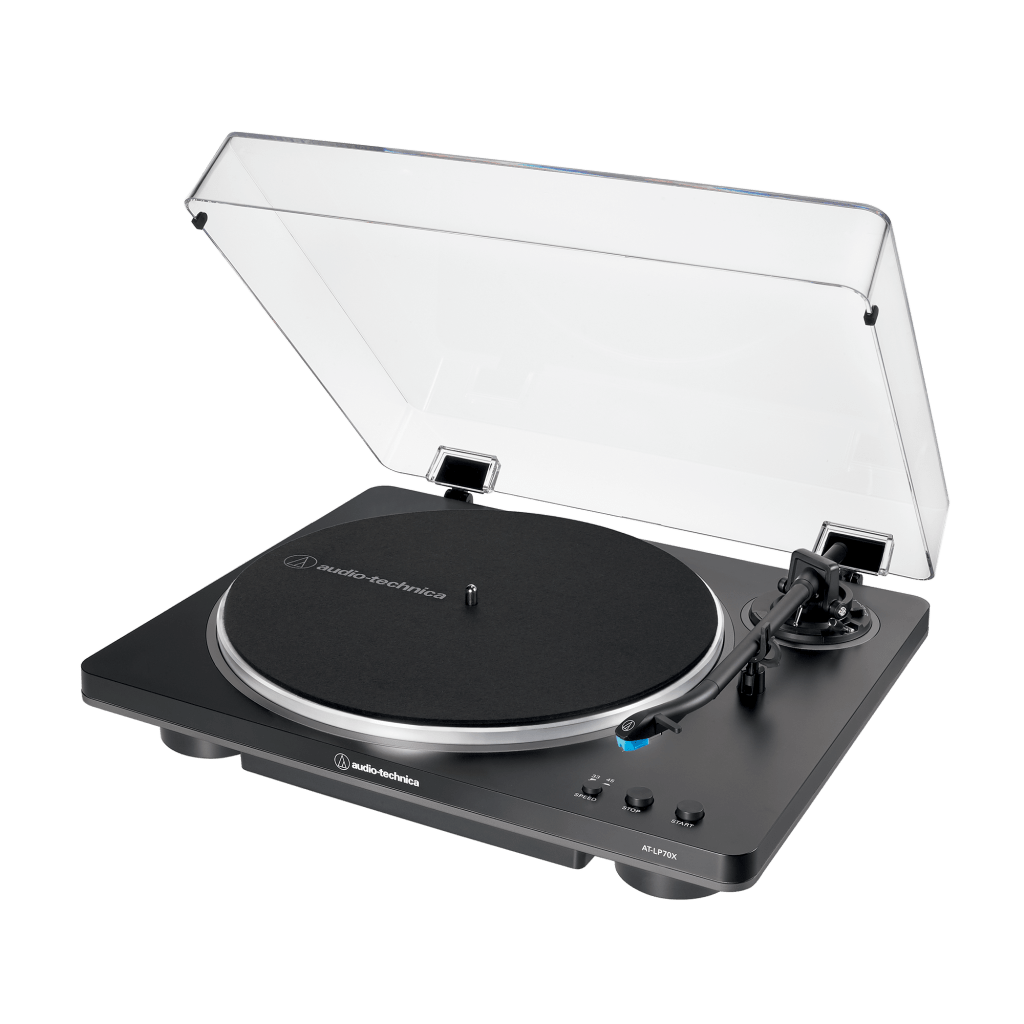
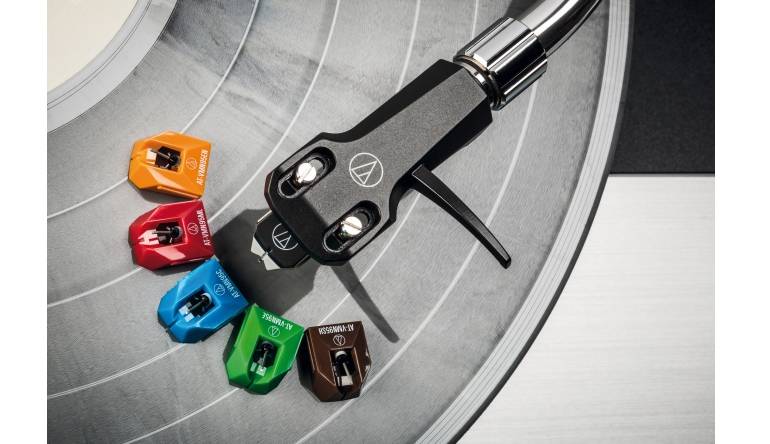
What makes the LP70X special is the upgrade from its predecessor, the LP60X. You’re getting a die-cast aluminum platter instead of plastic, which immediately improves stability and reduces unwanted vibrations. The tonearm has been redesigned for better tracking, and it comes withAudio-Technica’s AT-VM95C cartridge, which is actually bloody decent out of the box.
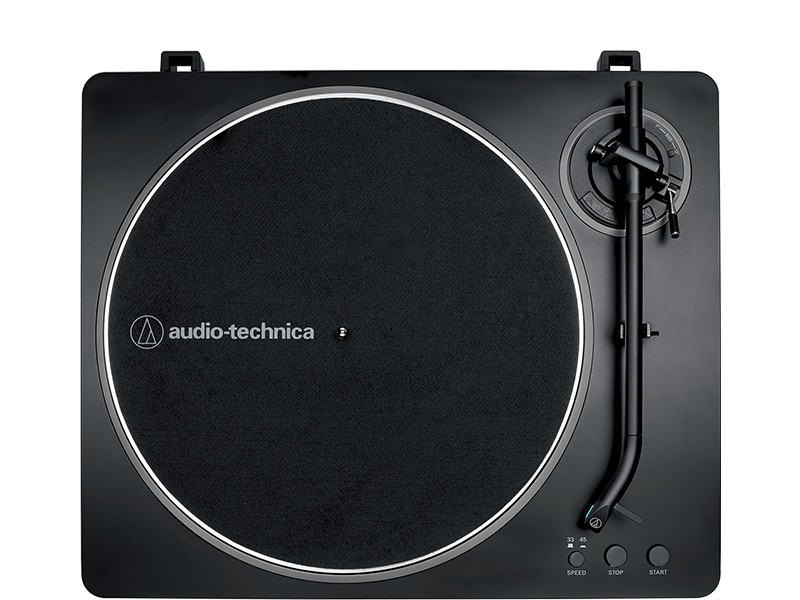
Here’s what you need to know: it plays both 33⅓ and 45 RPM, so everything from your dad’s Led Zeppelin albums to those 7-inch singles you’ve been collecting will work. It’s got a built-in phono preamp, which is crucial because it means you can connect directly to powered speakers without needing a separate amplifier right away. Massive savings there.
The hydraulic lift on the tonearm means you won’t accidentally slam the needle down like some kind of vinyl-destroying monster (yes, I’ve done it, yes, it still haunts me). And the cartridge is upgradeable, so when you inevitably get deeper into this hobby and want to hear even more detail, you can swap it out without buying a whole new turntable.
Is it the best turntable ever made? Of course not. But it’s reliable, sounds excellent for the money, and won’t damage your records. That’s the trifecta right there.
The amplifier: When you’re ready to level up
Now, if you’re thinking bigger picture, and trust me, once you start down this path you will be, eventually you’ll want a proper amplifier. This is where things get interesting because the budget amplifier market has absolutely exploded in the last few years, particularly with Chinese manufacturers making genuinely excellent gear at prices that would have been unthinkable a decade ago.
Fosi Audio ZA3 is the amplifier I’d recommend without hesitation. These guys have been quietly building a reputation for making proper hifi equipment that doesn’t sound like budget equipment, and the ZA3 is their flagship integrated amp. At around $150-175 USD (roughly $230-270 AUD) with the 48V power supply, it’s frankly ridiculous value.
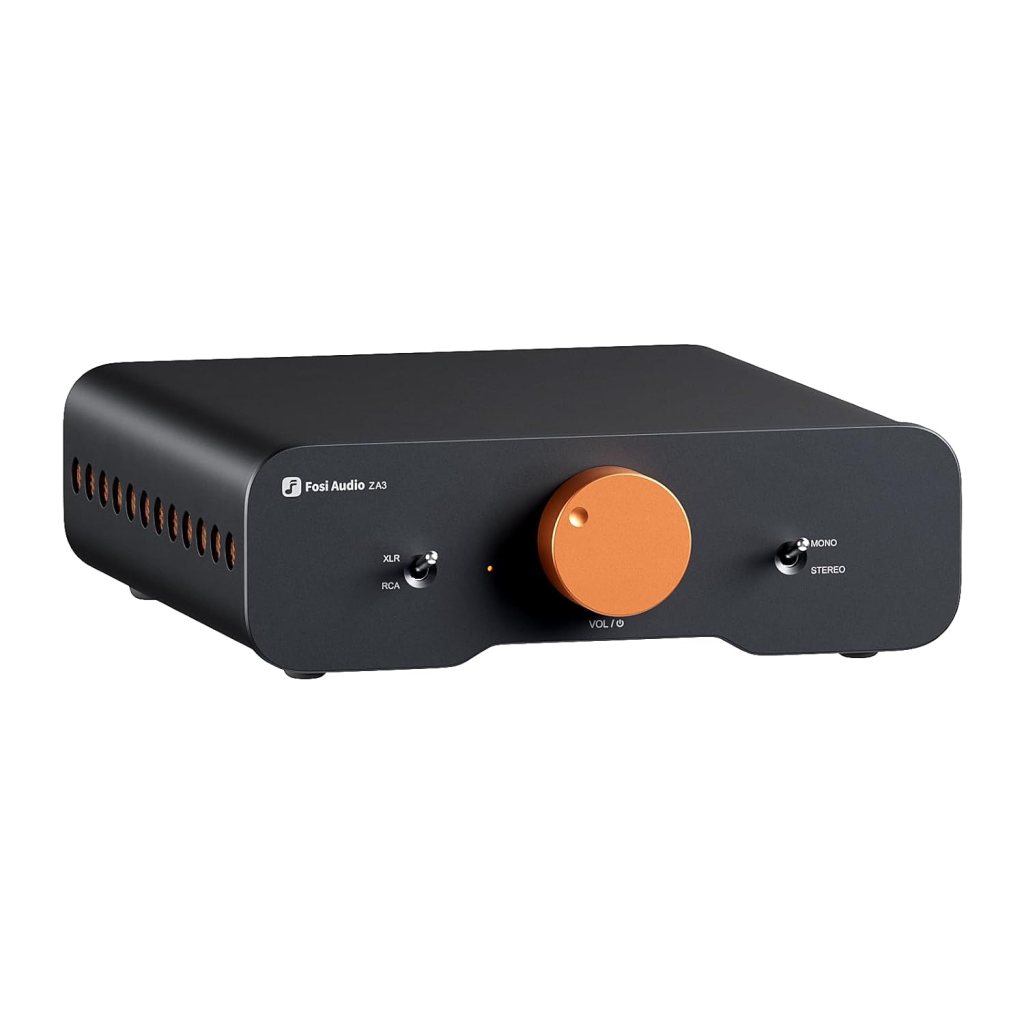
This is a Class D amplifier, which means it’s compact and efficient, but don’t let that fool you into thinking it’s weak. The ZA3 can run in stereo mode pushing out 180W per channel, or you can flip it to mono mode and get 235W. Feeling ambitious? Buy two of them, run them as monoblocks, and you’ve got a setup that’ll make your neighbors seriously reconsider their life choices.
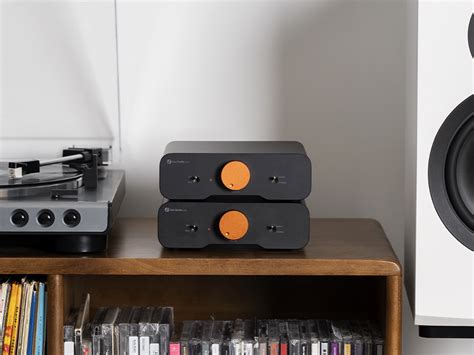
The connectivity is what really sets this apart from other budget amps. You’ve got both RCA and balanced XLR inputs, which means significantly less noise and interference. That annoying hum you sometimes get with cheap gear? The ZA3’s balanced design basically eliminates it. There’s also a subwoofer output, which is brilliant if you eventually want to add more low-end grunt to your system.
But here’s where it gets properly nerdy in the best way possible: the ZA3 uses premium Japanese and German capacitors, high-end Texas Instruments TPA3255 amplifier chips, and the whole thing is built with proper attention to signal path and noise floor. The specs are genuinely impressive, with a signal-to-noise ratio of 106dB and total harmonic distortion below 0.006%.
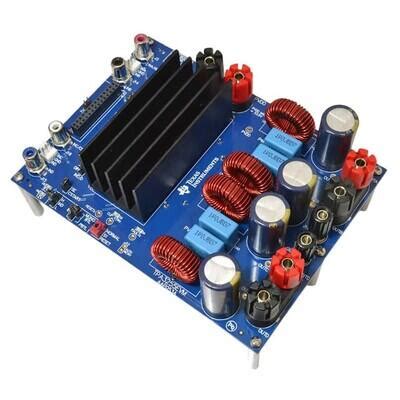
And if you really want to geek out, you can swap the op-amps to tune the sound signature. Want warmer bass? Different op-amp. Want more detailed highs? There’s an op-amp for that too. It’s like having a customizable amplifier without paying custom prices. The audiophile forums are full of people experimenting with different op-amp configurations, and that community knowledge is worth its weight in gold.
The only real downside is that in 4-ohm stereo mode with demanding speakers, it can get a bit warm and potentially go into protection mode if you’re really pushing it hard. But for most normal listening, even at volume levels that’ll annoy the neighbors, it’s absolutely solid.
Speakers that punch above their weight
For speakers, this is where I’m going to be honest with you: the landscape has changed a bit since I originally wrote about this topic. The Polk Audio MXT15 speakers I used to recommend are still around and still decent, but there are better options for your money in 2026.
Edifier R1280T powered speakers are the sweet spot I’d recommend for most people starting out. At around $130 USD (roughly $200 AUD), they’re actively powered, which means the amplification is built right in. Connect your turntable directly (assuming it has a built-in phono preamp like the LP70X), and you’re done. No separate amplifier needed.
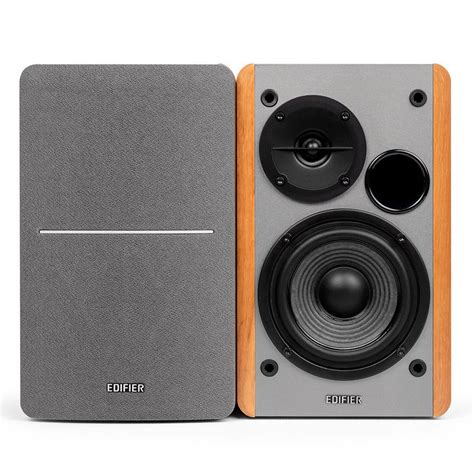
These speakers feature a 4-inch bass driver and a 13mm silk dome tweeter in each cabinet, delivering 42W of total power. That might not sound like much on paper, but trust me, it’s plenty for a small to medium room. The sound is warm and balanced, with decent bass response for their size and clear, detailed highs that don’t fatigue your ears during long listening sessions.
What I really appreciate about the Edifiers is their versatility. You’ve got dual RCA inputs, so you can connect your turntable and another source like a CD player or streaming device. There’s even a remote control for volume, which is more convenient than you’d think when you’re settled into your listening chair with a cup of tea and can’t be arsed getting up.
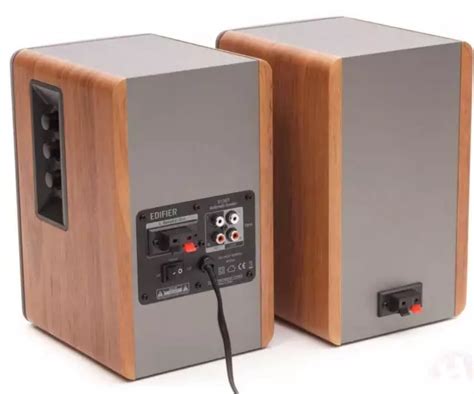
The build quality is solid too, with real wood veneer cabinets that actually look good on a shelf rather than screaming “cheap plastic.” They’re front-ported, which means you can place them closer to a wall without the bass getting muddy, giving you more flexibility in smaller spaces.
Are they the ultimate audiophile speakers? Obviously not. But they’re honest, musical, and they’ll reveal what’s actually on your records without adding unnecessary coloration or harshness. And here’s the key thing: when you pair them with a decent turntable and good pressings, they’ll make you understand why people love vinyl.
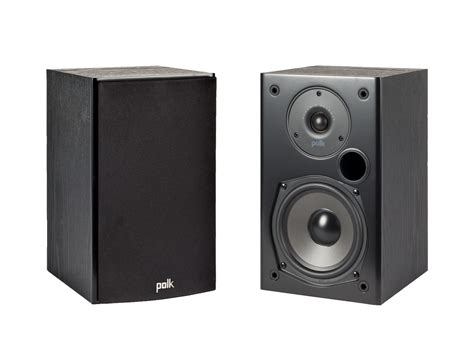
Alternative option: If you’ve already got or plan to get the Fosi Audio ZA3 amplifier, consider passive speakers instead. The Polk Audio T15 bookshelf speakers are brilliant value at under $100 USD (around $150 AUD). They’re compact, rated at 100W, and when powered by the Fosi they create a genuinely impressive soundstage. The flexibility here is that you can upgrade speakers later without replacing the whole system.
What’s this actually going to cost you?
Right, let’s talk numbers. I’ve spec’d out two different setups depending on whether you want the all-in-one simplicity or the upgradeable flexibility:
Budget Setup (Plug and Play):
- Audio-Technica AT-LP70X: $250 USD / $385 AUD
- Edifier R1280T Powered Speakers: $130 USD / $200 AUD
- Total: $380 USD / $585 AUD
This is everything you need to start playing records immediately. No additional components required.
Intermediate Setup (Room to Grow):
- Audio-Technica AT-LP70X: $250 USD / $385 AUD
- Fosi Audio ZA3 Amplifier (with 48V PSU): $175 USD / $270 AUD
- Polk Audio T15 Passive Speakers: $100 USD / $150 AUD
- Total: $525 USD / $805 AUD
This setup gives you much more flexibility to upgrade individual components as your budget allows and your ears get pickier.
Now, I know that $585 to $800 AUD still sounds like serious money, but think about it this way: this is a complete system that’ll give you years of listening pleasure and actually do justice to those records you’ve been collecting. Plus, every single component here has a clear upgrade path. Start with the basic setup, add the amp later when you want more power and control. Upgrade the cartridge on your turntable when you’re ready for more detail. Add a subwoofer when you want that extra bass impact.
Compare this to buying a $100 all-in-one player that’ll frustrate you within months and possibly damage your records, and suddenly the investment makes a lot more sense. This isn’t throwaway gear that you’ll want to replace in six months. This is the foundation of a system that can grow with you.
The vinyl setup landscape in 2026
Here’s what’s changed since the early days of the vinyl revival: the budget equipment market has got significantly better.
Chinese manufacturers like Fosi Audio are producing gear that would have cost ten times as much a decade ago.
Established brands like Audio-Technica have refined their entry-level turntables to the point where they’re genuinely good rather than just “good enough.”
But there’s also more rubbish out there than ever.
Instagram is full of people flogging cheap turntables that look retro and cute but sound awful and damage records.
The key is knowing what actually matters: a stable plinth to reduce vibration, an adjustable tonearm with proper counterweight, a decent cartridge that won’t wear your grooves prematurely, and speakers that translate what’s in those grooves honestly.
The beauty of starting with a setup like this is that it teaches you what to listen for.
- You’ll start noticing the difference between a well-mastered pressing and a dodgy one.
- You’ll hear the impact of cartridge upgrades.
- You’ll understand why speaker placement matters.
This is the entry point into a deeper understanding of recorded music, and that’s worth way more than the dollars spent.
Beyond the basics: What comes next
Once you’ve got this foundation, the upgrade path is clear and you can tackle it piece by piece as your budget allows:
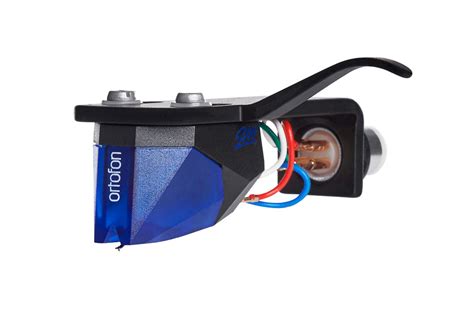
Cartridge upgrade: The AT-VM95C that comes with the LP70X is decent, but upgrading to something like the Ortofon 2M Blue or even staying within Audio-Technica’s VM95 line with an elliptical or Shibata stylus will reveal details you didn’t know were there. Budget $150-300 AUD.
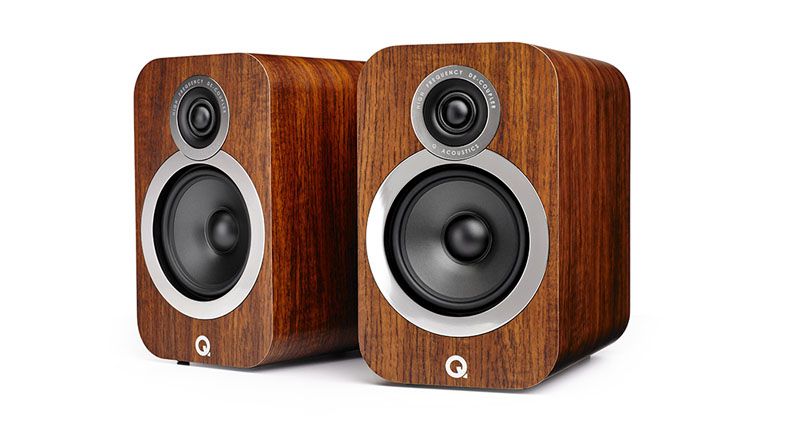
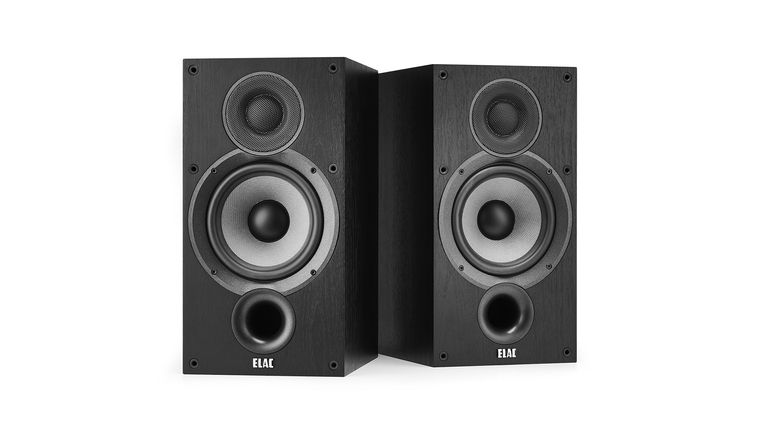
Speaker upgrade: When you’re ready, moving to something like the Q Acoustics 3020i or ELAC Debut 2.0 B6.2 will be a revelation. Budget $400-600 AUD.
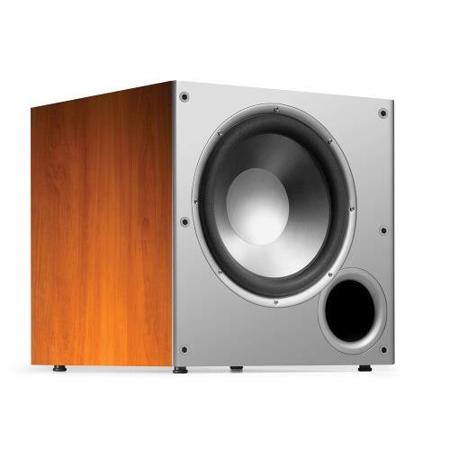
Subwoofer addition: This transforms the system, particularly if you’re into bass-heavy music. A decent powered sub like the Polk PSW10 or similar adds that chest-thumping low end without breaking the bank. Budget $200-400 AUD.
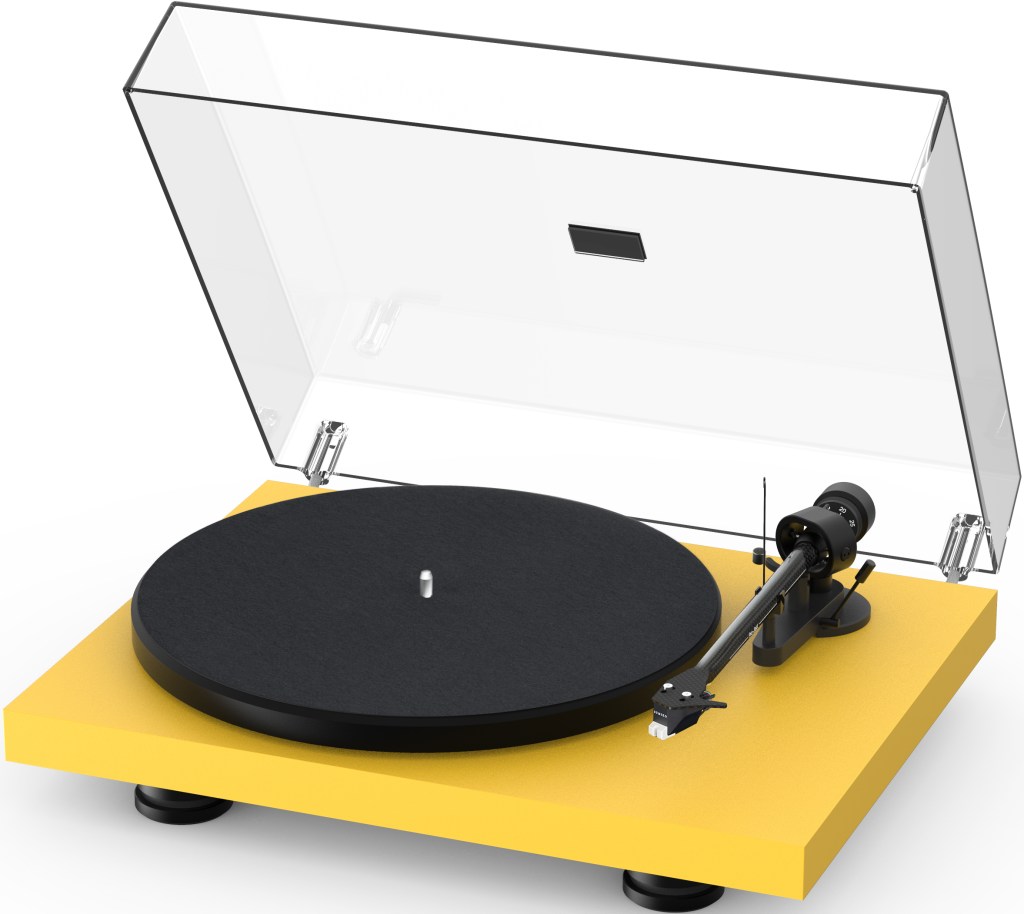
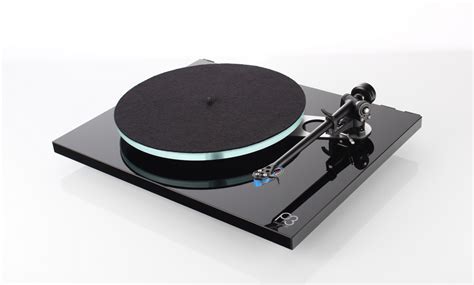
Turntable upgrade: Eventually you might want to move to something like the Pro-Ject Debut Carbon or Rega Planar 1, which take things to another level entirely. But honestly, the LP70X is so good that you might be surprised how long it keeps you happy.
The point is, you don’t need to do all of this at once. Build the foundation, enjoy the music, upgrade when the budget and your ears tell you it’s time.
The bottom line
I could have recommended some flashy, expensive gear that would’ve cost you several times as much, but that’s not what most people need when they’re starting their vinyl journey.
What you need is something reliable that sounds good, treats your records with respect, and doesn’t make you feel like you’ve been ripped off.
This setup gives you genuine hifi sound without the premium price tag.
It’s honest about what it is: quality equipment at the budget end of proper hifi rather than expensive junk at the top end of the toy market.
Your records deserve better than a plastic turntable that’s basically designed to look good on TikTok. You deserve better than spending hours researching only to end up with something that sounds disappointing.
This setup is the real deal, accessible version of what makes vinyl special: that tangible connection to music, the ritual of playing a record, and yes, the sound quality that makes you rediscover albums you thought you knew.
Once you hear your favorite album played through a proper setup like this, there’s genuinely no going back. Your ears will thank you, your records will thank you, and your bank account won’t completely hate you. That’s the sweet spot we’re aiming for here.
What’s your vinyl story?
So that’s my take on building an affordable vinyl setup in 2026. Have you already got a system running?
Maybe you’ve been eyeing some of the gear I’ve talked about?
Or perhaps you’ve found something completely different that’s working brilliantly for you?
I’m always keen to hear what other people are using, especially at the budget end of things. None of us are experts on everything, we’re all just music lovers trying to get the best sound we can afford. Why not drop me a comment below and share your setup? What’s working, what’s not, what did you wish you’d known before you started?
Let’s help each other build systems that make the music sing.





Leave a Reply